

Ethiopia has reported an outbreak of the highly lethal Marburg virus in the southern part of the country, according to the Africa Centres for Disease Control and Prevention (Africa CDC).
Marburg virus, closely related to Ebola, is among the deadliest pathogens known. It can cause severe hemorrhagic symptoms, including bleeding, fever, vomiting, and diarrhea, and has an incubation period of up to 21 days. Transmission occurs through direct contact with infected body fluids, and the virus has a reported fatality rate ranging from 25% to 80%.
World Health Organization Director-General and Ethiopian national, Tedros Adhanom Ghebreyesus, confirmed on Friday that at least nine cases had been identified in southern Ethiopia. This confirmation came just two days after Africa CDC was alerted to a suspected hemorrhagic virus in the region.
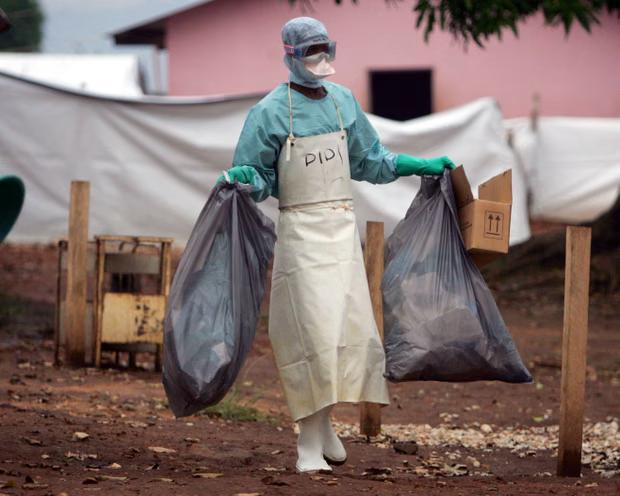
“Marburg virus disease (MVD) has been confirmed by Ethiopia’s National Reference Laboratory,” Africa CDC stated on Saturday. The agency noted that further epidemiological investigations and laboratory analyses are ongoing, and that the virus strain shows similarities to those previously detected in East Africa.
Authorities in Ethiopia have responded rapidly to contain the outbreak in the Jinka area, and Africa CDC said it would collaborate closely with the country to prevent the virus from spreading further across East Africa.
Recent regional outbreaks provide a sobering context: a Marburg epidemic in Tanzania earlier this year claimed 10 lives before being declared over in March, while Rwanda eliminated its first recorded outbreak in December 2024, which had resulted in 15 deaths.
Currently, there is no approved vaccine or antiviral treatment for Marburg virus disease. Supportive care, including oral or intravenous rehydration and symptom management, remains the primary approach to improve survival. Last year, Rwanda conducted trials of an experimental vaccine developed by the US-based Sabin Vaccine Institute.