In many countries, decorating a tree is a central part of Christmas celebrations. In North Korea, however, December 25 is largely unremarked, and public observance of Christmas is prohibited.
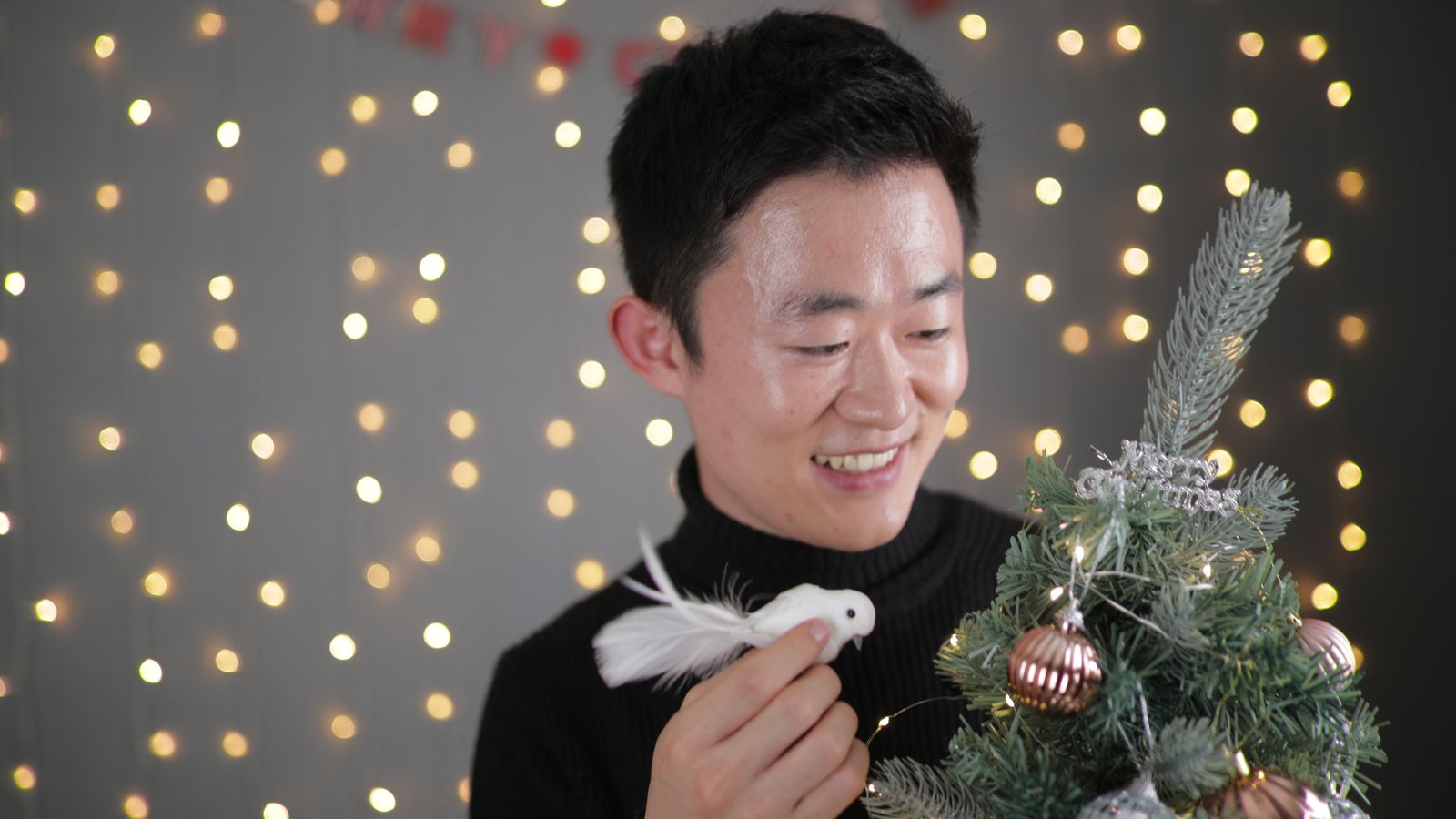
Ju, a North Korean defector, recalled a childhood experience in which his family set up a tree every December 25 without fully understanding its significance. “My grandfather taught us that in other countries, people put up a tree and celebrate on December 25,” Ju said. The tree, displayed openly, was referred to by neighbors as a “yolka,” a term used in Russian-speaking countries to mark the New Year.
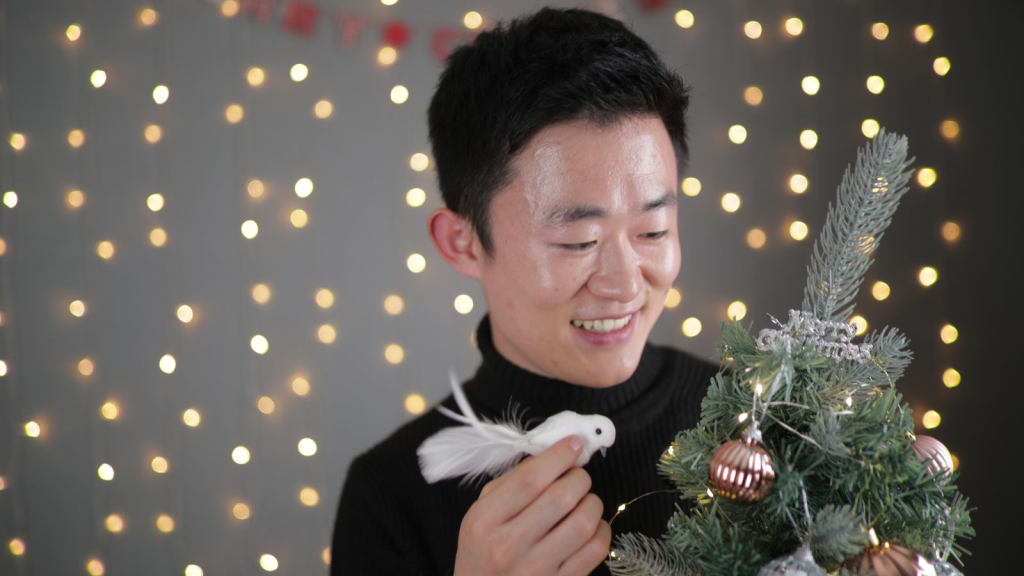
Because Christianity is heavily suppressed in North Korea, Ju said his family faced no consequences for the tree. He attributed this in part to the small size and isolation of his village in North Hamgyong Province, which had only about 30 households. The family also added a chant with nonsensical words, which Ju later understood to carry Christian references.
The family’s exposure to Christianity was largely through foreign radio broadcasts from South Korea. Ju recalled listening to the Far East Broadcasting Company (FEBC), a South Korean Christian station. “That was the first moment that we heard about gospel and Christianity,” he said.
However, the broadcasts carried significant risk. North Korean authorities frequently conducted home inspections to detect illegal radios and the frequencies they were tuned to. Ju said: “If you get caught, you would go to a political prison camp or even be executed, because it was Christian broadcasting.” His family would cover windows and lower the radio volume to avoid detection.
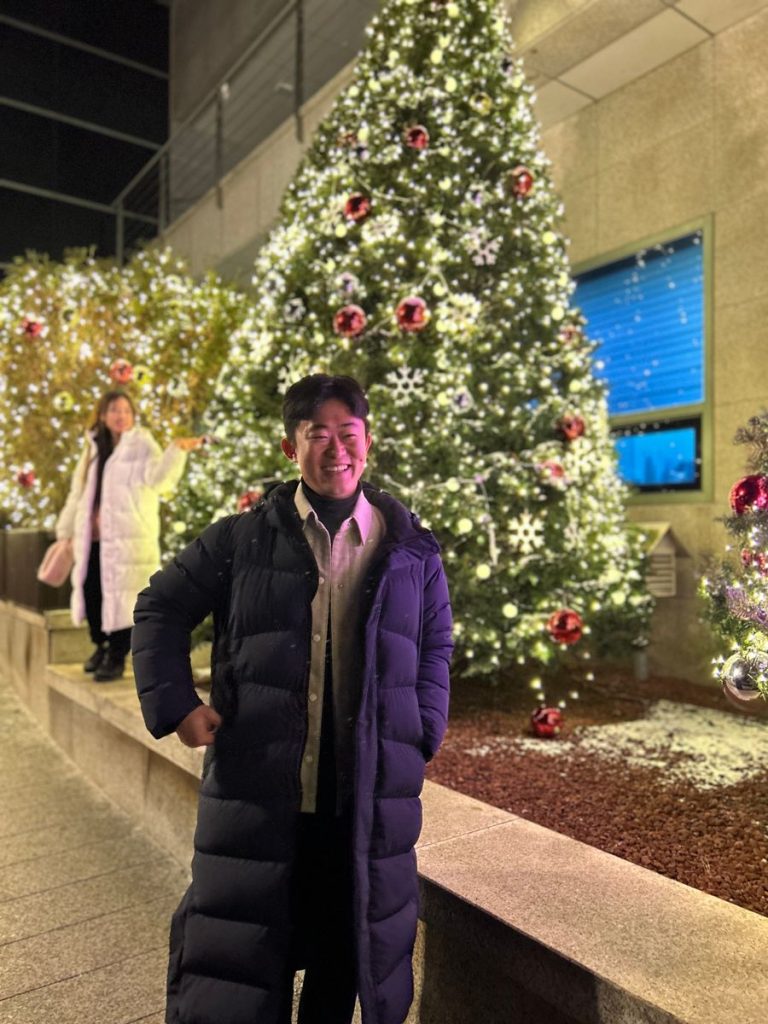
The broadcasts had a profound impact on Ju’s family. His father eventually defected to South Korea, prompting Ju, his mother, and a sister to leave North Korea in October 2009. Ju described the escape as a journey through three countries before reaching South Korea, where he could practice Christianity openly.
Reflecting on his childhood Christmas traditions, Ju said he later realized the chants his family recited were attempts by his grandfather to convey Christian teachings. He also identified other ways in which Christian stories had reached North Korea, including tales of biblical events like Adam and Eve, which he recognized after learning more about Christianity.
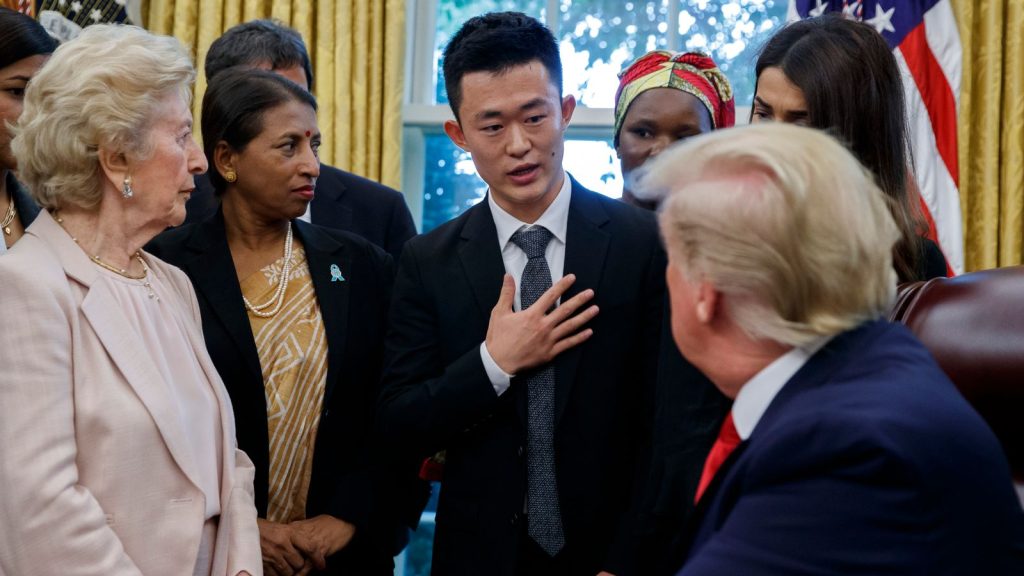
Ju also recounted the risks faced by those who continued practicing Christianity inside North Korea. He said his aunt and her family were sent to a political prison camp because of a relative’s Christian faith. “When people get to that camp, they cannot come out until they die. There is torture,” he said, adding that he and his family are still unable to locate them.
North Korea is widely regarded as one of the most dangerous countries for religious believers. According to Open Doors, an organization monitoring persecution of Christians, North Korea has ranked as the country with the most extreme persecution every year since 2002, except in 2022 when Afghanistan temporarily held the top position.