Israel is reported to be disseminating Persian-language messages on social media that encourage Iranians to continue demonstrations against the country’s leadership, according to regional media accounts. The messaging is described as part of a coordinated effort rather than isolated posts. Israel’s intelligence agency, Mossad, has been quoted by Israeli military radio as claiming support for protesters “on the ground,” statements that Iranian authorities have not independently verified.
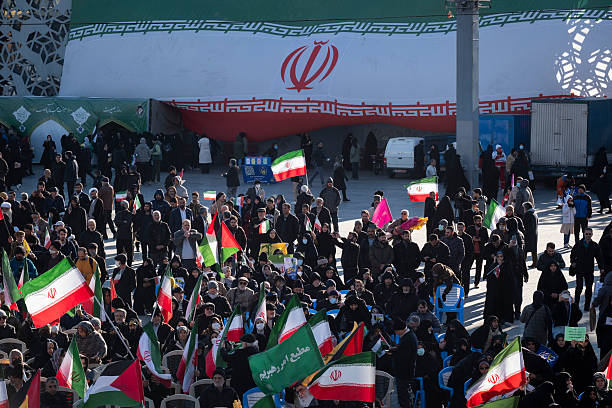
Protests have spread to Tehran and several other cities, with reports indicating that thousands of people have taken part in largely peaceful demonstrations. Iranian President Ebrahim Raisi has sought to ease tensions by acknowledging public concerns over rising prices and economic pressures, while calling for calm.
One social media post attributed to Mossad and written in Persian urged people to take to the streets, stating that Israel stood with them both remotely and locally, according to Israeli army radio. The extent and nature of any direct involvement have not been confirmed by independent sources.
At the same time, social media platforms have seen the circulation of misleading content related to the unrest. In one instance, a widely shared image purporting to show authorities using water cannons on demonstrators was later identified as a still taken from an AI-generated video. The accompanying caption framed the scene as evidence of government fear in the face of public opposition.
The demonstrations have continued for a fifth consecutive day as Iran faces a deepening economic crisis. Economists have warned that the country may be approaching a critical threshold, citing a sharp decline in the value of the rial, high inflation, and a significant erosion of household purchasing power. According to published estimates, the currency has lost around 70 percent of its value against the US dollar, while consumer price inflation remains elevated.
Iran’s economic difficulties have been compounded by broad US sanctions imposed after Washington’s withdrawal from the 2018 nuclear agreement, which have constrained oil exports and reduced foreign exchange reserves. The 12-day conflict with Israel in June has added further strain. Although Iranian officials have signaled openness to dialogue, many protesters appear unconvinced that the government can address their concerns.