Cairo — Egypt and the European Union announced Thursday that they are working to implement the second phase of the U.S.-brokered ceasefire between Hamas and Israel in Gaza.
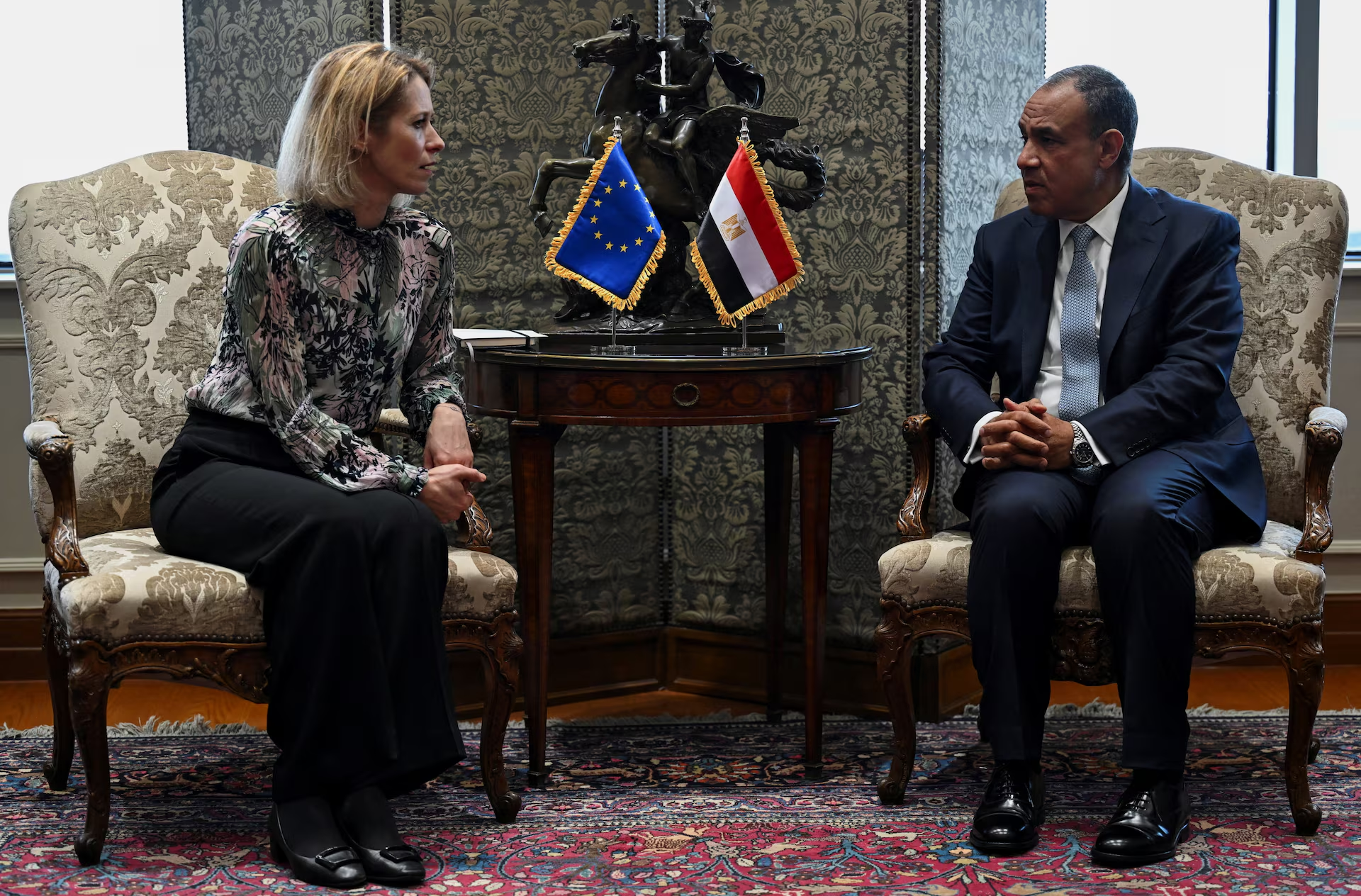
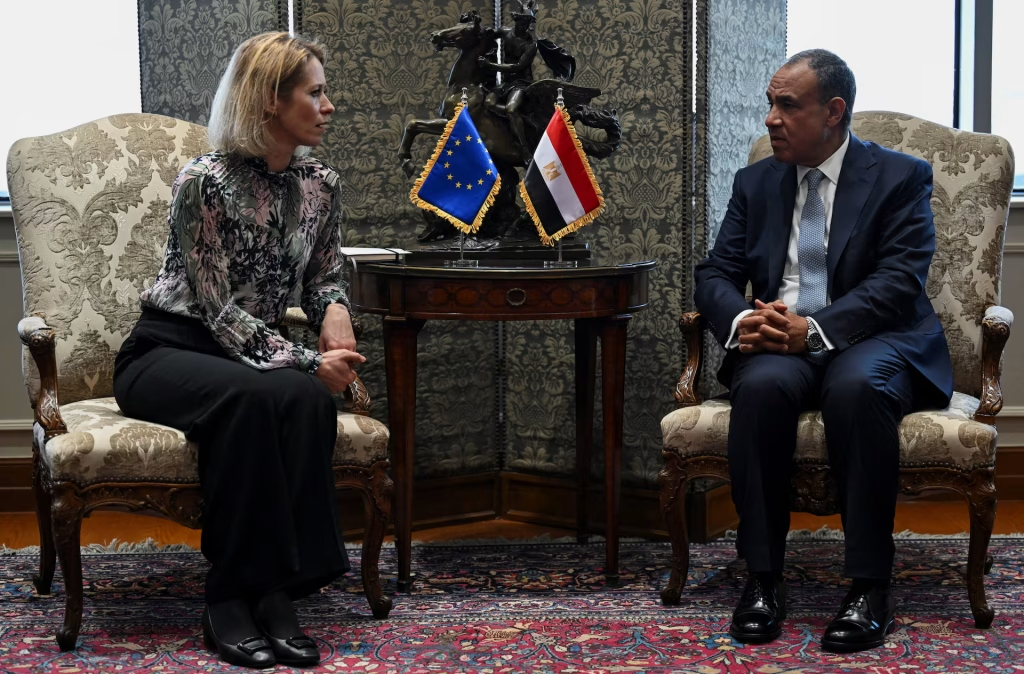
The next phase involves establishing a Gaza Peace Board to supervise the peace process. During a meeting in Cairo, Egypt’s Foreign Minister Badr Abdelatty and EU foreign policy chief Kaja Kallas urged that the board begin its work without delay.
According to the U.S. plan, the board would oversee a technocratic Palestinian government, the disarmament of Hamas, the deployment of an international stabilization force, further Israeli troop withdrawals, and reconstruction efforts.
The first phase of the ceasefire, which started in October, followed the two-year anniversary of the initial Hamas-led attacks on Israel that killed approximately 1,200 people. Most of the 251 hostages taken during that attack have since been released—either alive or posthumously—in exchange for Palestinian prisoners.
Kallas described the humanitarian situation in Gaza as “extremely severe” and criticized both Hamas for refusing to disarm and Israeli restrictions on international NGOs. “Without NGOs, aid cannot reach the necessary scale in Gaza. There is no justification for the humanitarian situation deteriorating to this extent,” she said.
According to Gaza’s Health Ministry, more than 400 people have been killed by Israeli forces in Gaza since October, contributing to a total Palestinian death toll of at least 71,391 since October 2023.
Abdelatty said the United States would soon provide details regarding the Gaza Peace Board and the technocratic committee. He and Kallas also discussed potential EU involvement in operating the Rafah crossing, a key humanitarian route, and reaffirmed Egypt’s opposition to actions that could further divide Gaza from the West Bank.