
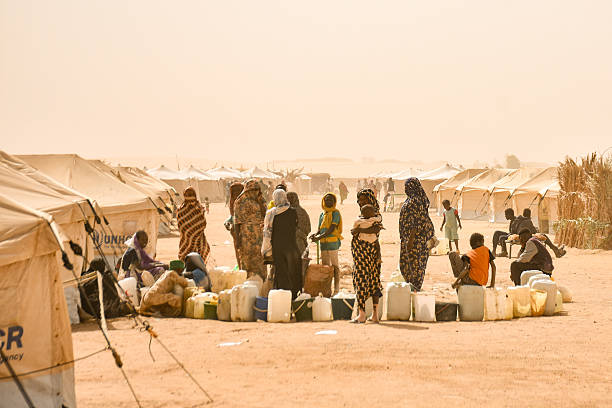
The United Nations has cautioned that food assistance operations in Sudan could be forced to scale back or halt by the end of March unless additional funding is secured, placing millions of people at heightened risk amid an escalating humanitarian emergency.
Sudan has been gripped by nearly three years of conflict between the national army and the paramilitary Rapid Support Forces, a war that has severely undermined living conditions across the country. The fighting has resulted in widespread loss of life and driven approximately 11 million people from their homes, according to UN estimates.
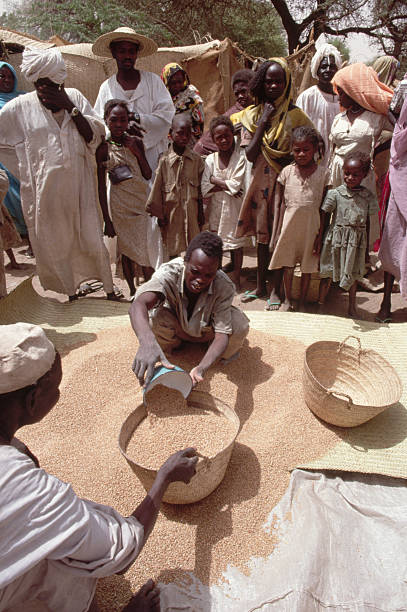
The World Food Programme (WFP) reports that its food reserves inside Sudan are close to depletion. Ross Smith, the agency’s Director of Emergency Preparedness and Response, said existing supplies have already been reduced to minimal survival levels. He warned that without an immediate infusion of funds, large numbers of people could soon be cut off from essential food aid.
UN data indicate that more than 21 million people—almost half of Sudan’s population—are currently experiencing acute food insecurity. Famine has been officially declared in El-Fasher, the capital of North Darfur, as well as in Kadugli in neighbouring Kordofan, both of which have been heavily affected by ongoing violence.
The UN also warned that famine conditions are likely to emerge in additional locations, including parts of Dilling and displacement camps surrounding El-Fasher. However, continued insecurity has restricted access to some areas, complicating efforts to conduct full assessments.
Humanitarian agencies have renewed appeals to international donors, urging swift action to prevent further deterioration of what they describe as an already unprecedented hunger crisis.