The head of the International Atomic Energy Agency has cautioned that time is limited to secure a diplomatic agreement between the United States and Iran, warning that significant quantities of Iran’s enriched nuclear material remain intact despite previous US military strikes.
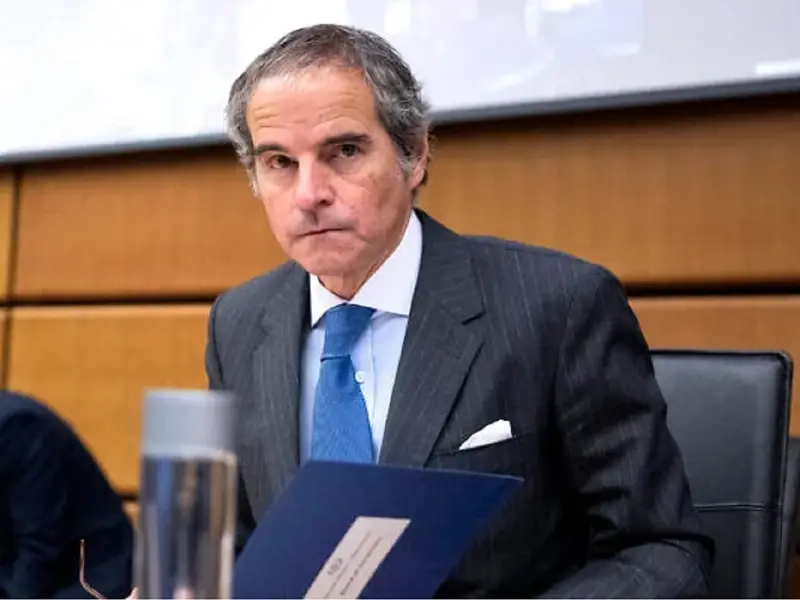
Rafael Grossi, director general of the UN nuclear oversight body, said that most of Iran’s stockpile accumulated before June last year was still present, even after US attacks targeted three major facilities. His remarks came as Washington and Tehran concluded a new round of negotiations in Geneva on Tuesday, with both sides describing the discussions as constructive.
In an interview with the French broadcaster TF1, Grossi emphasized the urgency of the situation. “The problem is, we don’t have much time,” he said. While acknowledging that some materials may now be harder to access, he noted that from a non-proliferation perspective the core issue remains unresolved because the nuclear material continues to exist in substantial quantities.
Grossi said this reality underlines the need for a negotiated settlement to prevent further military escalation. He warned that renewed confrontation could destabilize the broader region.
US President Donald Trump has recently reinforced American military deployments in the region, reiterating that additional strikes remain an option if a deal to curb Iran’s nuclear programme is not achieved. The administration previously described its June 2025 operation—referred to as “Operation Midnight Hammer”—as having destroyed Iran’s nuclear capabilities. Defence Secretary Pete Hegseth and the president both said at the time that the strikes had “obliterated” the programme, though subsequent assessments raised questions about the extent of the damage.
Amid the diplomatic efforts, Russian naval vessels and aircraft participated in joint exercises with Iranian forces in the Strait of Hormuz and the Gulf of Oman this week, further heightening regional tensions. Grossi warned of a “real risk” that any renewed hostilities between Washington and Tehran could expand beyond the two countries.
Media reports have suggested that the US president is weighing the possibility of new military action as early as this weekend, although no final decision has been announced. Speaking on Thursday in Washington, Trump said Iran faced a choice between cooperation and consequences. “Now is the time for Iran to join us on a path that will complete what we’re doing,” he said. “If it doesn’t happen, it doesn’t happen. But bad things will happen if it doesn’t.”
Separately, Polish Prime Minister Donald Tusk advised Polish nationals in Iran to depart immediately, warning that a potential conflict could make evacuation efforts significantly more difficult.