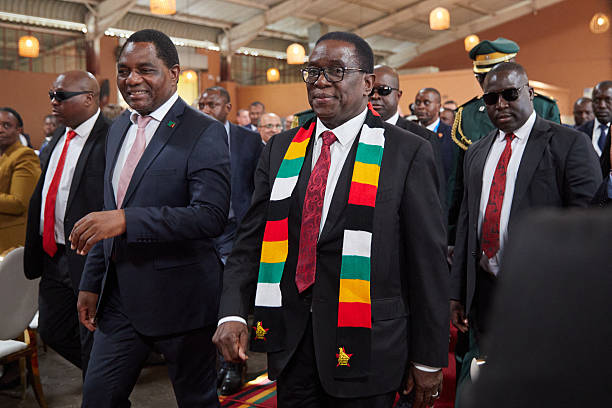
Zambia has suspended negotiations over a proposed $1 billion health assistance agreement with the United States, citing concerns about provisions linking medical funding to access to the country’s mineral resources. The decision aligns Zambia with Zimbabwe and Kenya, which have also raised objections to elements of separate U.S.-backed agreements.
The five-year package, intended to support efforts to combat HIV/AIDS and malaria, was placed on hold after U.S. officials reportedly tied the funding to a bilateral compact that included cooperation on copper and cobalt supply chains. Zambian authorities have requested revisions to the memorandum of understanding.
President Hakainde Hichilema indicated that potential reductions in foreign aid could prompt the country to strengthen domestic capacity and self-reliance. Civil society organizations have also voiced concern. Asia Russell, executive director of Health GAP, criticized the proposed arrangement, arguing that it would reduce support for essential health programs while prioritizing mining interests.
In a separate development, Zimbabwe withdrew from negotiations over a proposed $367 million agreement with the United States, objecting to clauses requiring rapid access to pathogen data without explicit guarantees for equitable benefit-sharing.
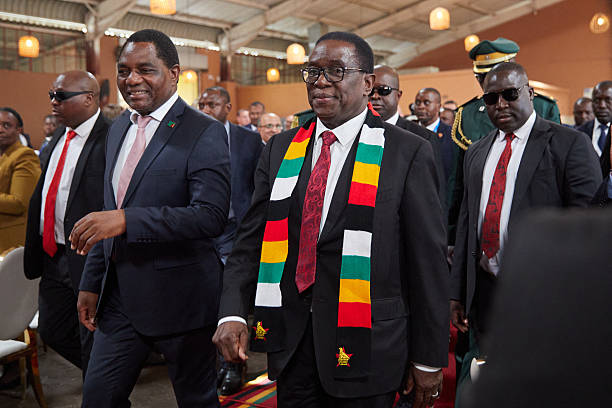
A letter attributed to Zimbabwe’s Ministry of Foreign Affairs characterized the terms as unbalanced and potentially detrimental to national sovereignty. However, the Zimbabwe College of Public Health Physicians has urged the government to reconsider its position, warning that disruptions to international health funding could jeopardize HIV treatment for approximately 1.2 million people.
The Africa Centres for Disease Control and Prevention (Africa CDC) has expressed support for member states seeking to renegotiate agreements to ensure stronger data governance and national control. Director-General Jean Kaseya emphasized the importance of African countries maintaining ownership over their health data and policy direction.
Meanwhile, in Kenya, the High Court has temporarily suspended implementation of a related agreement amid concerns over data privacy and national oversight.
The developments reflect broader debates across several African nations about balancing foreign assistance with economic interests, data sovereignty, and long-term strategic autonomy.