

While debates over fairness in the U.S. justice system often play out through protests, political campaigns, and public campaigns, a different form of reform has been taking shape behind courtroom doors in Harris County, Texas.
For nearly a decade, a group of Black judges has worked from within the judicial system to reshape how misdemeanor cases are handled, challenging long-standing practices and introducing reforms aimed at reducing unnecessary incarceration and expanding opportunities for people seeking a second chance.
Their efforts highlight a less visible side of justice reform — one built not through public demonstrations, but through courtroom decisions, policy changes, and programs designed to address the circumstances behind criminal cases.
Judge Tonya Jones of Harris County Criminal Court at Law No. 15 said meaningful change requires judges to take responsibility for leadership within the system.
“Advocacy from outside the courtroom is important, but judges have a role in taking the first steps and accepting the risks involved in changing established practices,” Jones said.
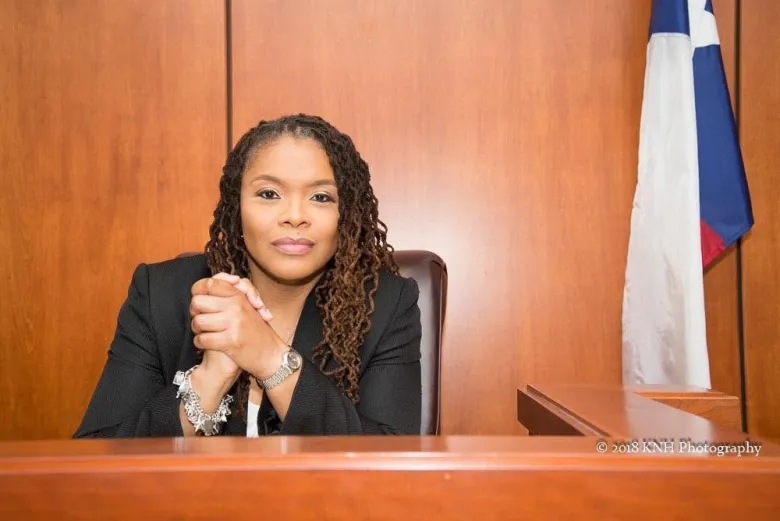
That approach has not always been easy. When Shannon Baldwin campaigned for a seat on Harris County Criminal Court at Law No. 4 in 2018, she was repeatedly warned that a Democratic candidate had little chance of winning a judicial election in Texas. She ignored those predictions and won alongside a group of other reform-minded candidates, creating a major shift in the county’s misdemeanor courts.
However, Baldwin discovered that winning an election was only the beginning. The greater challenge was using judicial authority to create change.
“Judges’ real power is inside the courtroom,” Baldwin said, explaining that individual judges can influence policies and procedures within their own courts.
One of the most significant changes came through efforts that led to Rule 9, a policy designed to make pretrial detention in misdemeanor cases a last resort rather than a routine practice. Baldwin said the change dramatically reduced the number of people held in jail while awaiting the resolution of their cases.
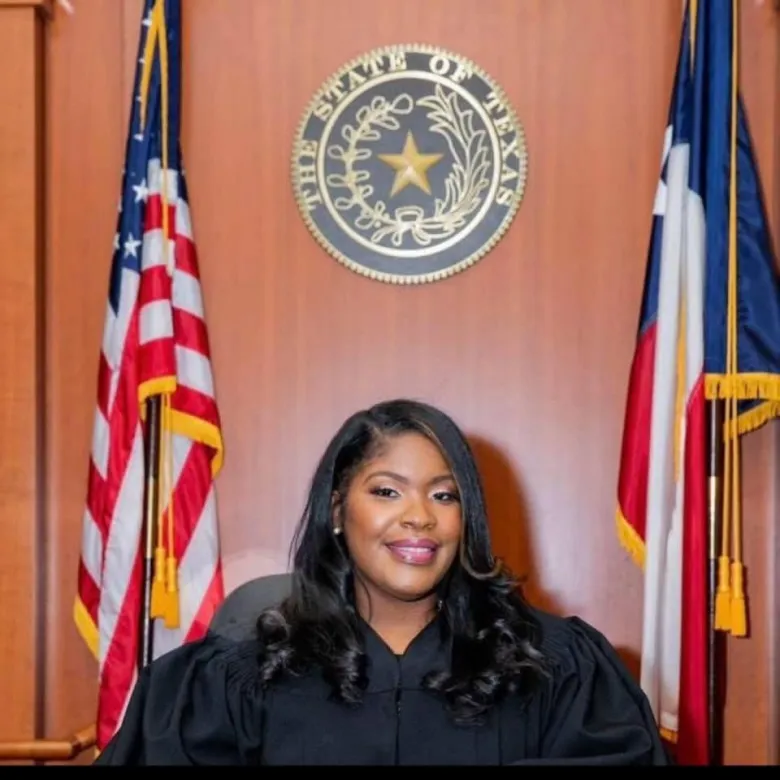
For Jones, becoming one of the first Black women to hold her position brought both opportunity and pressure. She said occupying a historic role was only the first step; the greater responsibility was challenging traditional approaches that had become accepted over time.
She argued that simply processing people through the criminal system without addressing issues such as economic hardship, mental health challenges, or substance abuse does little to prevent future offenses.
“If we are not addressing the underlying needs of people, we are not solving the root problems,” Jones said, noting that reform often means pushing against decades of established habits.
The judges emphasized that their authority has limits. Sentencing decisions must remain within the boundaries established by law, but judges still have discretion in determining how those sentences are carried out.
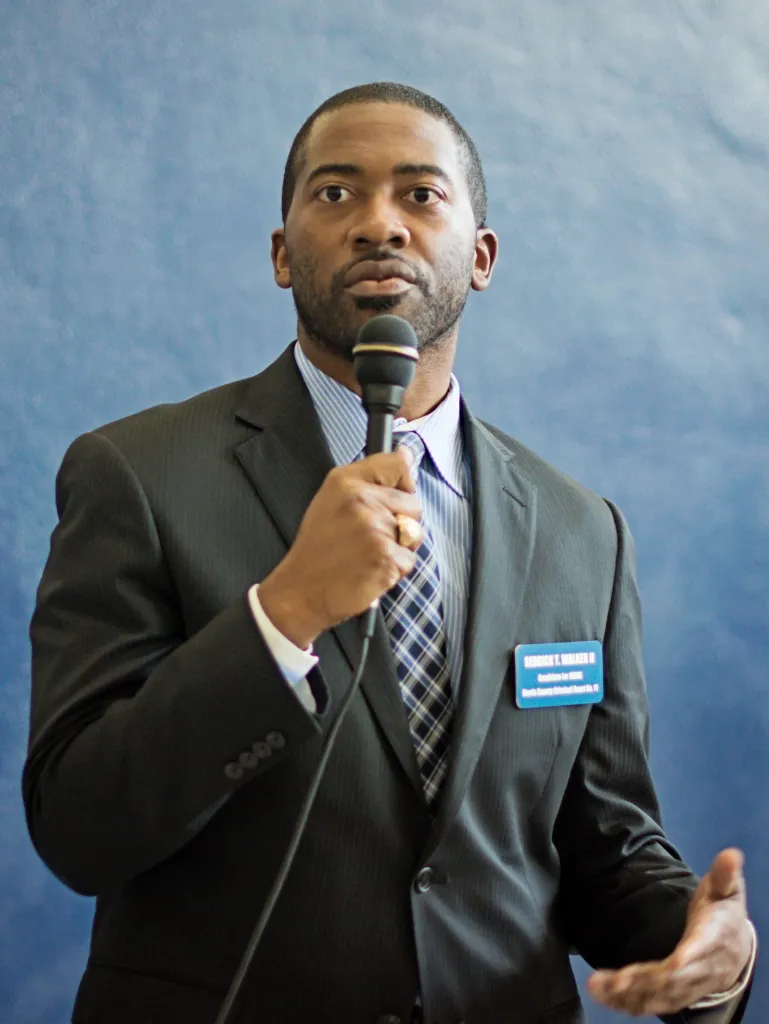
Judge Walker explained that while courts must follow mandatory minimum requirements, judges can consider factors such as a person’s background, employment, family circumstances, and personal challenges when deciding whether probation or alternatives to incarceration may better serve long-term goals.
Beyond courtroom decisions, the judges have also supported programs focused on removing barriers faced by people with past convictions. One example is the Fresh Start initiative through Bayou City Community Court, which helps eligible residents seal their criminal records without paying legal fees.
Baldwin said demand for the program has been overwhelming, with applications quickly reaching capacity. She argued that helping people clear their records can improve access to employment, education, housing, and financial opportunities.
According to Baldwin, reducing crime requires more than punishment alone.
“When people are able to work, support themselves, and move forward, they are more likely to become stable members of the community,” she said.
The judges said some of the most important reforms are not always visible to the public. Instead, they happen through individual decisions that gradually influence the wider system.
Baldwin pointed to bail reform and record-clearing efforts as examples of initiatives that began within the courts but produced broader effects.
Jones said meaningful reform often comes with resistance because it challenges familiar methods.
“If you are uncomfortable, you are probably moving in the direction of change,” she said, arguing that progress requires questioning practices simply because they have always existed.
The judges’ message to younger attorneys and future legal professionals is that reform is possible, but lasting change requires collaboration. Individual action can create momentum, they said, but broader transformation depends on building networks of people who share a commitment to improving the justice system.
In Harris County, their experience suggests that some of the most significant changes in criminal justice may happen quietly — one courtroom decision, one policy adjustment, and one person at a time.