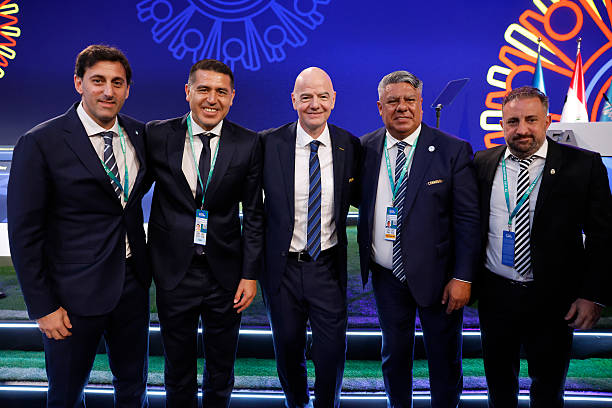
Tournament organisers say they always intended to reserve a portion of tickets at fixed prices for supporters who want to follow their own national teams. The clarification was issued only days before Friday’s World Cup draw in Washington DC, an event Donald Trump is expected to attend.
Fans will not know the exact match locations or dates for their teams until Saturday, adding to the uncertainty around ticket availability and prices for next summer’s competition.
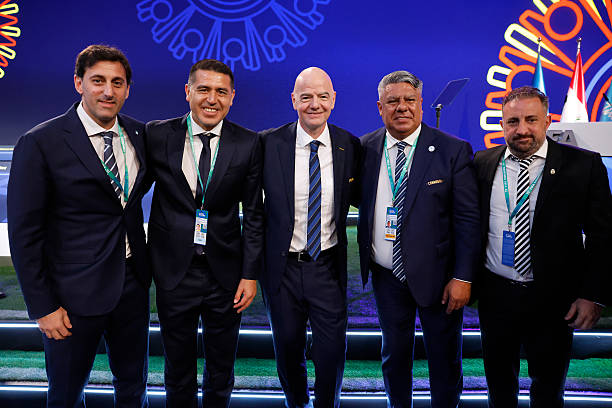
For the first time in World Cup history, FIFA is introducing a dynamic pricing system—where prices rise or fall depending on demand. The move has sparked worries about whether ordinary supporters will be able to afford tickets. In recent days, England and Scotland fans have circulated screenshots from the ticketing platform showing steep costs.
In a statement to Sky News, FIFA said: “FIFA can confirm that specific groups of fans will have access to ring-fenced ticket allocations, a process consistent with previous World Cups. These tickets will remain at fixed prices throughout the next sales period. Supporters from Participating Member Associations will receive 8% of the seats for every match their team plays, including any potential knockout fixtures.”
According to FIFA, group-stage tickets start at $60 (£45), while the most premium seats for the final reach $6,730 (£5,094).
Another ticketing phase will open after the draw—from 11 December to 13 January—during which fans can apply for tickets at set prices through a random ballot.
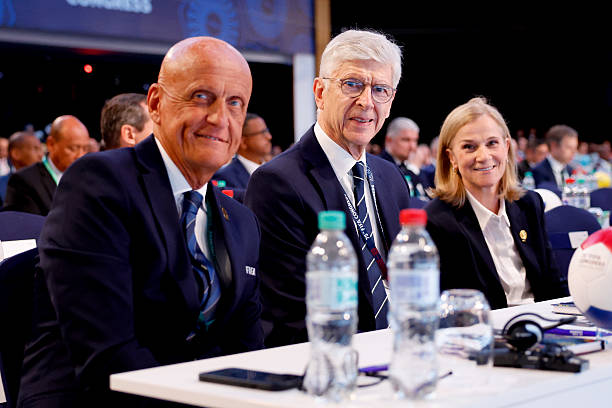
The 2026 World Cup will be the largest ever, expanding from 32 to 48 teams and featuring 104 matches. It will also be the first edition hosted by three nations, with Canada and Mexico joining the United States.
FIFA defended the introduction of dynamic pricing, explaining: “The pricing system for the 2026 World Cup reflects how major entertainment and sporting events regularly operate in the host countries, including soccer matches. It also accounts for how the secondary ticket market is regulated in North America. Our goal is to maintain fair access for current supporters and attract new ones.”
The organisation also responded to concerns about fans being shut out due to rising costs. FIFA noted that stadium seating charts show general seat locations rather than the quantity of tickets available in each category. They added that their resale fees are consistent with common practices across North American sports and entertainment industries.