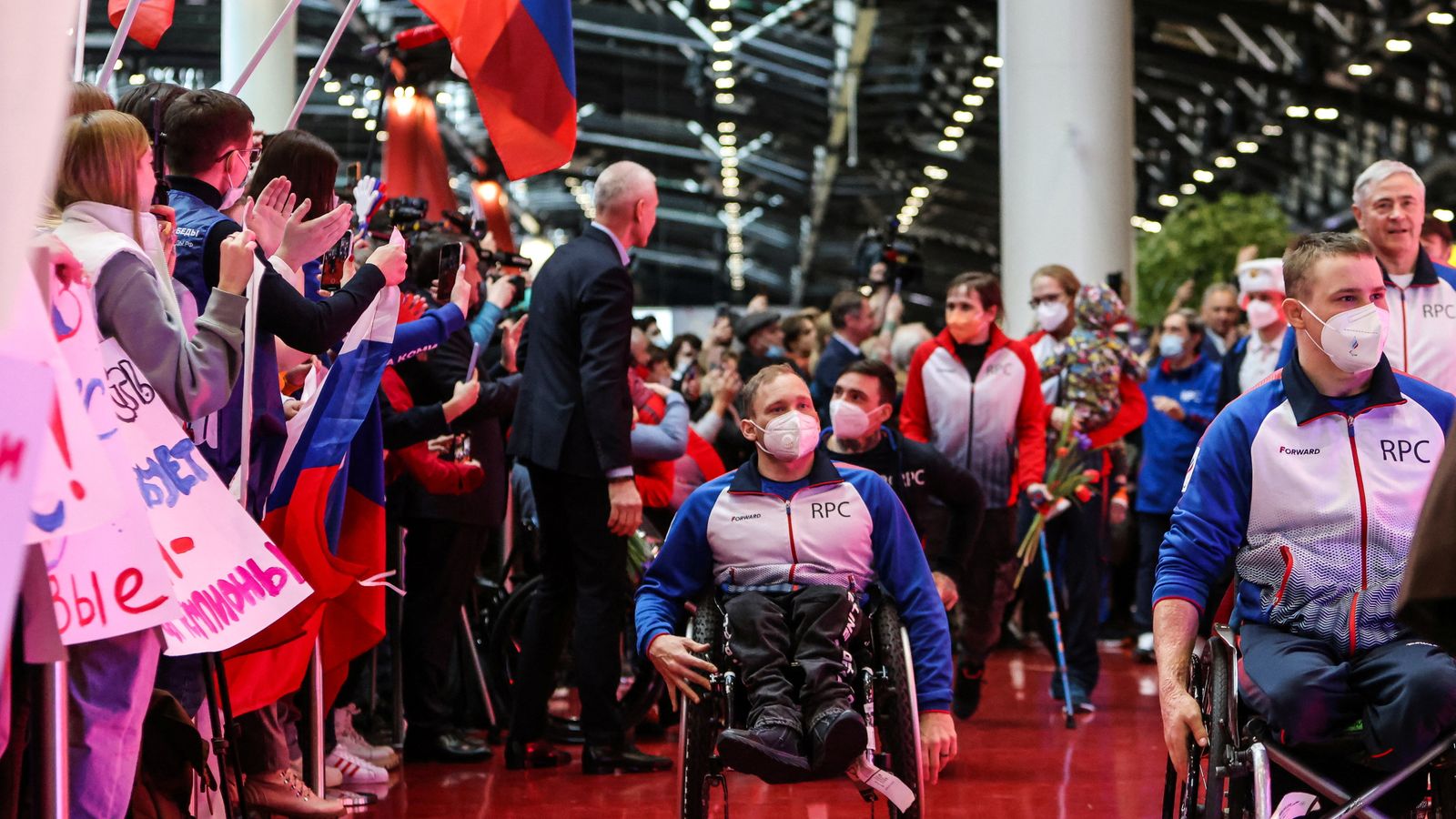
The UK has joined 32 mostly European nations in issuing a joint statement raising “serious concern” over the International Paralympic Committee’s decision to lift its partial suspensions of Russia and Belarus, Moscow’s ally in the war against Ukraine.
The IPC had never clearly explained the reversal, but president Andrew Parsons has now insisted the decision “is not linked to participation in wars.” Speaking in an interview, he said the original sanction—imposed in 2023—stemmed from evidence that both countries used Paralympic sport to amplify narratives supporting their so-called “special operation” in Ukraine. According to Parsons, online-monitoring specialists provided proof of such propaganda at the time, but “between 2023 and now… there is less evidence” of sport being used this way.
Parsons also suggested the political pressure to maintain sanctions comes mainly from Europe. Only four non-European governments—Australia, Japan, New Zealand and South Korea—supported the latest joint statement criticising the reinstatement. He said a recurring question from member nations was why Russia and Belarus were singled out when other global conflicts had not triggered similar punishments.
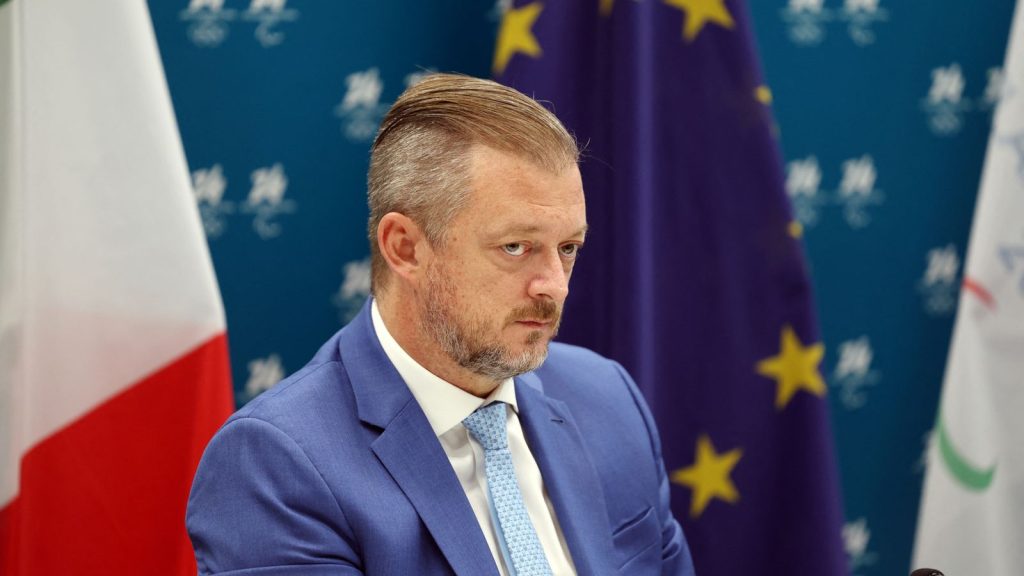
Crucially, Parsons argued that initiating a war does not breach the IPC constitution—a position that contradicts assumptions made by the UK and several other governments. The confusion may trace back to a 2022 IPC declaration referencing Russia and Belarus “breaching the Olympic Truce,” without specifying whether this was the legal basis for banning their athletes from the Beijing Paralympics.
The formal partial suspension in 2023 was justified instead on unspecified violations of “constitutional membership obligations,” with no explicit mention of the invasion of Ukraine. Members later voted in September to lift that suspension. Even so, Russian and Belarusian athletes remain effectively barred from next year’s Winter Paralympics in Milan and Cortina d’Ampezzo, because many sport federations continue to enforce their own exclusions.
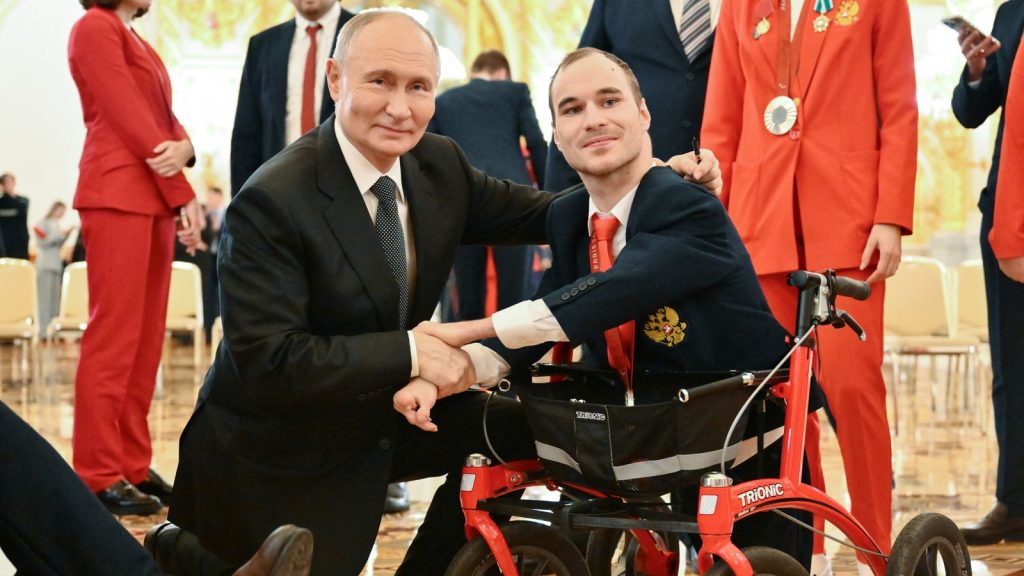
In their latest criticism, the objecting governments warned that lifting IPC sanctions sends the wrong signal while Russia’s assault on Ukraine continues. They argued that failures by Russia and Belarus to uphold the Olympic Charter also persist, making the IPC’s reversal difficult to justify.