
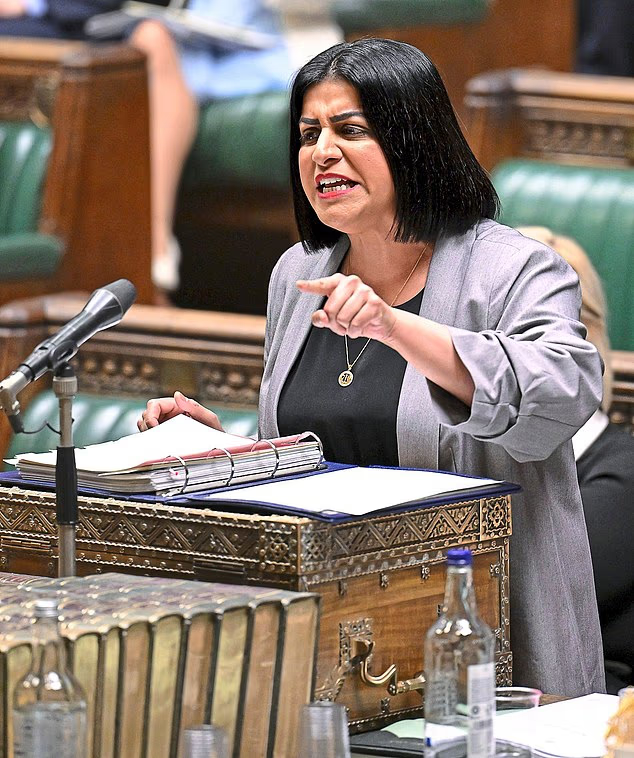
Home Secretary Shabana Mahmood is expected to announce major changes to the UK’s asylum system, including a proposal to extend the wait for permanent residency from the current five years to 20 years for people who arrive in the country without prior permission. Government officials describe the existing system as offering a “golden ticket,” and argue that the dramatic increase in the qualifying period is meant to discourage irregular migration.
Mahmood is also preparing to propose removing automatic financial support for many asylum seekers and limiting access to other benefits. These measures form part of a broader strategy inspired by Denmark’s restrictive immigration model, which Labour sources say she views as necessary to reduce incentives for people to make dangerous journeys to the UK.
Speaking ahead of the announcement, Mahmood claimed she would introduce “the most sweeping changes to our asylum system in a generation,” and argued that “illegal migration is tearing our country apart”—a phrase critics say risks escalating political rhetoric rather than addressing the complexity of global displacement.
The proposed 20-year pathway to settlement would apply to people who enter the country irregularly—such as by crossing the Channel in small boats—or who overstay visas before claiming asylum. According to Home Office officials, this would become the longest settlement process in Europe, surpassing Denmark’s eight-year requirement.
The proposals have already provoked anger among Labour MPs on the party’s left, who argue the approach mirrors conservative migration policies and undermines refugee protections. Conservative leader Kemi Badenoch, meanwhile, responded by suggesting Labour would struggle to pass such reforms because of internal opposition, though she offered cross-party cooperation if needed.
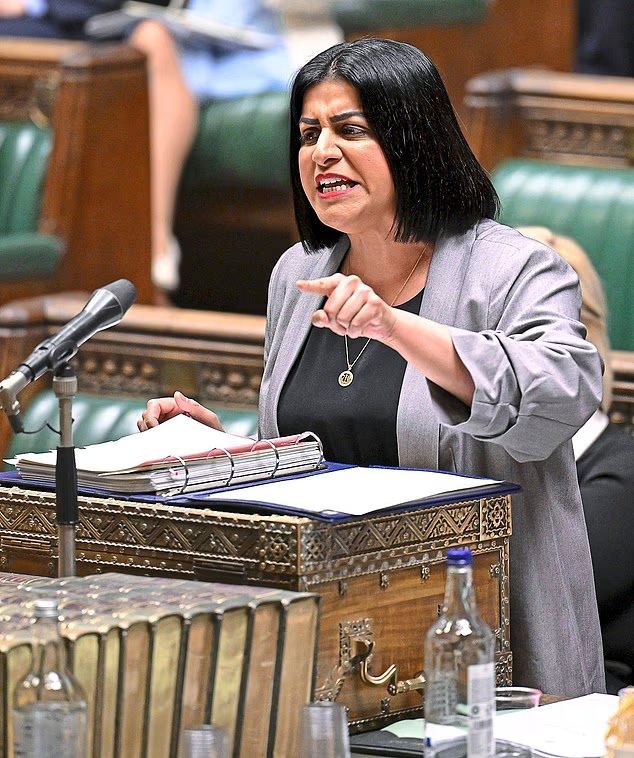
Reports from within Labour suggest Mahmood believes she must take politically “unthinkable” steps for a Labour Home Secretary to regain public trust on immigration. Much of the plan appears to draw on measures introduced by Denmark’s centre-left government, which sharply cut asylum claims after tightening rules in 2016. Among Mahmood’s proposals is the removal of the government’s legal obligation to provide financial support—like basic housing and the £49 weekly allowance—to asylum seekers. Officials suggest that individuals who do have permission to work but do not support themselves could lose any remaining state assistance. Around 8,500 people in asylum accommodation currently have the legal right to work.
Other expected reforms include ending automatic permanent refugee status. Instead, people granted protection in the UK would undergo regular reviews—possibly every two to three years—to determine whether they still need asylum. Government sources cite Denmark’s success in reducing asylum applications and removing refused applicants, while critics argue such policies create prolonged insecurity for refugees and risk breaching humanitarian norms.
Some Labour MPs have already voiced strong objections: last week, MP Nadia Whittome described aspects of Denmark’s model as “undeniably racist,” raising concerns that the UK may repeat policies widely criticised by human rights groups.