
Rising tensions involving Iran have prompted renewed discussion about the possibility of a wider international conflict and the contingency plans governments maintain in the event of a catastrophic crisis. In the United States, longstanding emergency procedures are designed to ensure that the federal government can continue functioning even under extreme circumstances, including a large-scale military conflict or nuclear attack.
Central to these preparations is the government’s Continuity of Operations Plan (COOP), a framework developed during the Cold War to preserve essential government functions during national emergencies. The plan outlines how senior officials, including the president and key advisers, could relocate to highly secure facilities to maintain leadership and coordination if normal government operations were disrupted.
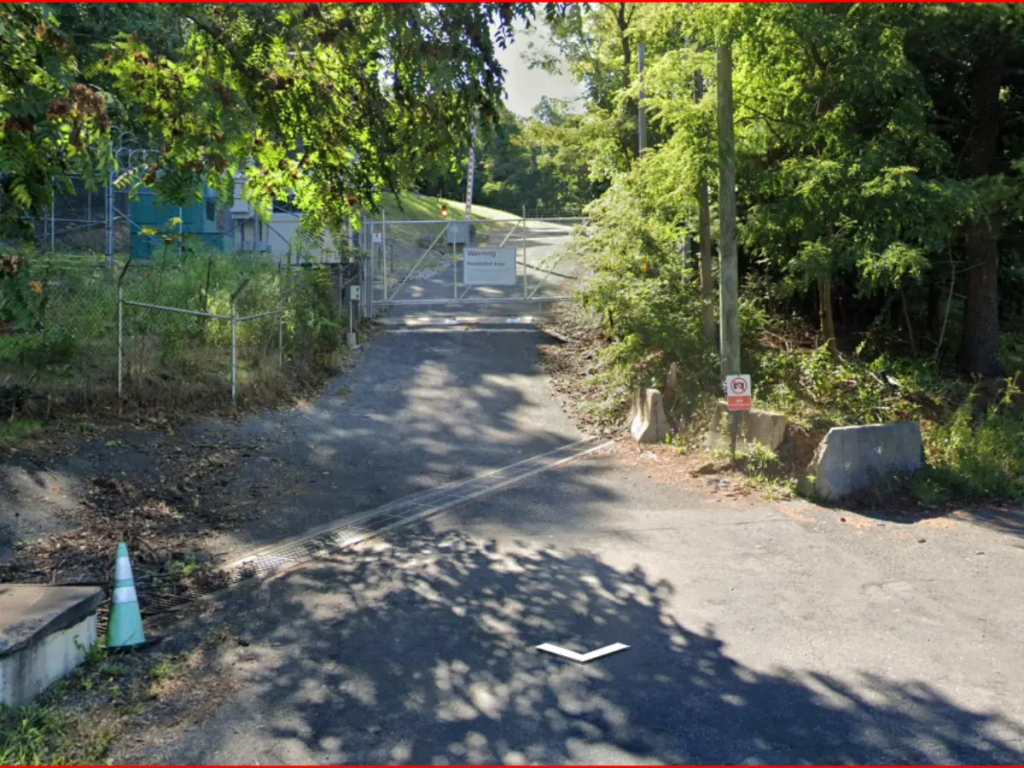
Several fortified underground complexes in the United States are designated for such scenarios. Among them are the Mount Weather Emergency Operations Center in Virginia, the Raven Rock Mountain Complex in Pennsylvania, and the Cheyenne Mountain Complex in Colorado. These facilities were originally constructed during the Cold War as part of broader civil defense and military preparedness strategies and have since been modernized to maintain operational capability.
If a major crisis were to occur, the president—currently Donald Trump in this context—and a limited group of senior officials could relocate to one of these locations. From there, they would be able to coordinate critical functions of government, including national defense operations, emergency management, and communications with the military and the public.
The Federal Emergency Management Agency (FEMA) oversees aspects of the national continuity framework and has managed the Mount Weather facility since 1979. The site originally began operating in 1959 under the supervision of the U.S. Army. Equipped with advanced communications infrastructure, Mount Weather is designed to support multiple federal agencies during emergencies and allow leadership to maintain coordination with national security institutions.
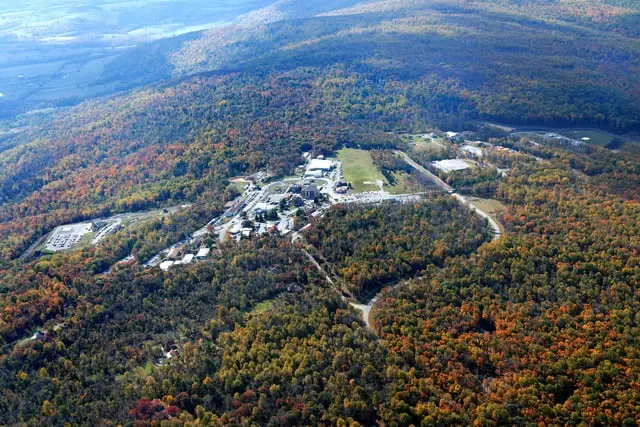
According to the U.S. Department of Homeland Security, the Virginia facility provides resilient operational capabilities and serves as a hub for classified government programs. Its systems enable secure communications and coordination across agencies during major crises.
Another site, the Raven Rock Mountain Complex—often associated with U.S. military command continuity—functions as an alternate command location for the Department of Defense. The complex is designed to support essential defense operations if primary command centers become unavailable.
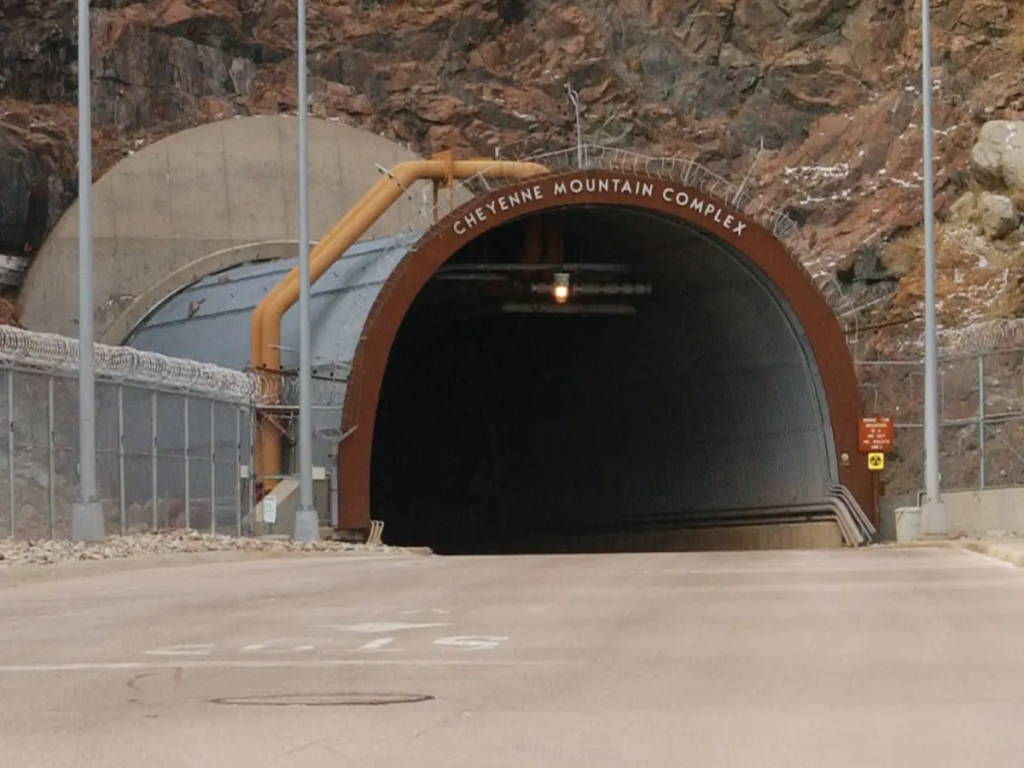
Meanwhile, the Cheyenne Mountain Complex in Colorado previously served as headquarters for the North American Aerospace Defense Command (NORAD), the joint U.S.-Canadian organization responsible for monitoring and defending North American airspace. Built deep within a mountain and engineered to withstand significant attacks, the facility contains extensive communications and monitoring systems that can be used during emergencies.
Although these installations were originally constructed decades ago, they continue to be maintained and upgraded to ensure they remain functional in modern crisis scenarios. U.S. authorities periodically review and update continuity procedures to ensure that core government operations can continue even in the most severe national emergencies.