The United States is assembling a substantial military presence within operational range of Iran, following weeks of escalating rhetoric and visible force movements across the region.
In mid-January, former President Donald Trump stated that assistance was forthcoming for protesters in Iran, referencing what he described as a “great armada.” At the time, however, U.S. forces in the region were limited and did not appear to reflect that characterization. In the weeks since, the military posture has shifted considerably.
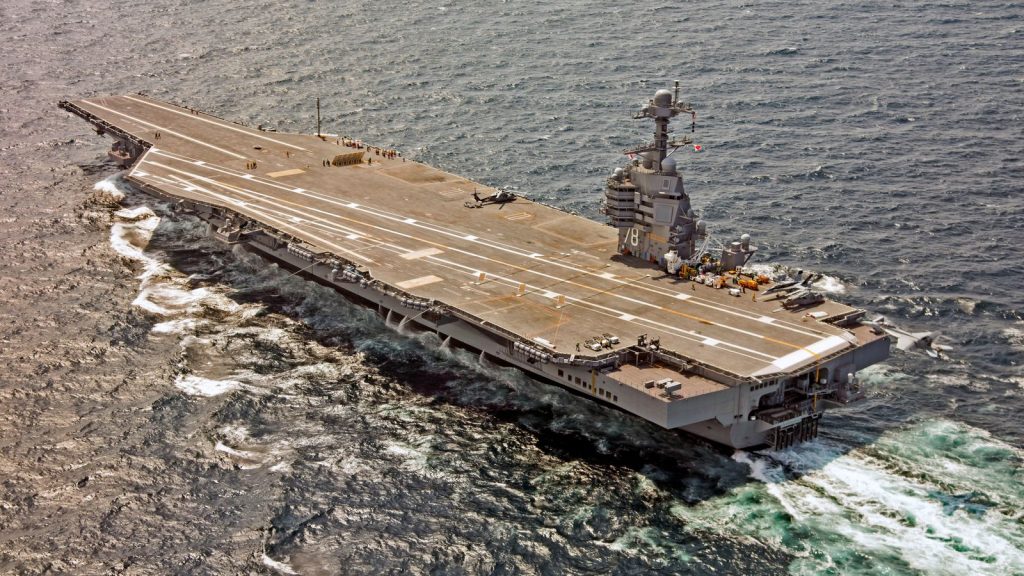
The naval component forms the core of the expanded presence. The aircraft carrier USS Abraham Lincoln and its carrier strike group are operating in regional waters. They are expected to be joined by the USS Gerald R. Ford, which recently transited near the Strait of Gibraltar and is projected to reach the eastern Mediterranean within days.
Both vessels are nuclear-powered aircraft carriers capable of supporting sustained air operations. Their accompanying strike groups include guided-missile destroyers equipped with air defense systems and Tomahawk cruise missiles. Two Nimitz-class carriers are reportedly contributing additional air defense and strike capacity. In total, at least 11 U.S. destroyers have been identified in the broader region, alongside several Littoral Combat Ships and logistical support vessels.
Carrier strike groups routinely include nuclear-powered attack submarines, often from the Virginia class. There are also indications that an Ohio-class submarine, designed to launch land-attack cruise missiles, may be operating nearby.
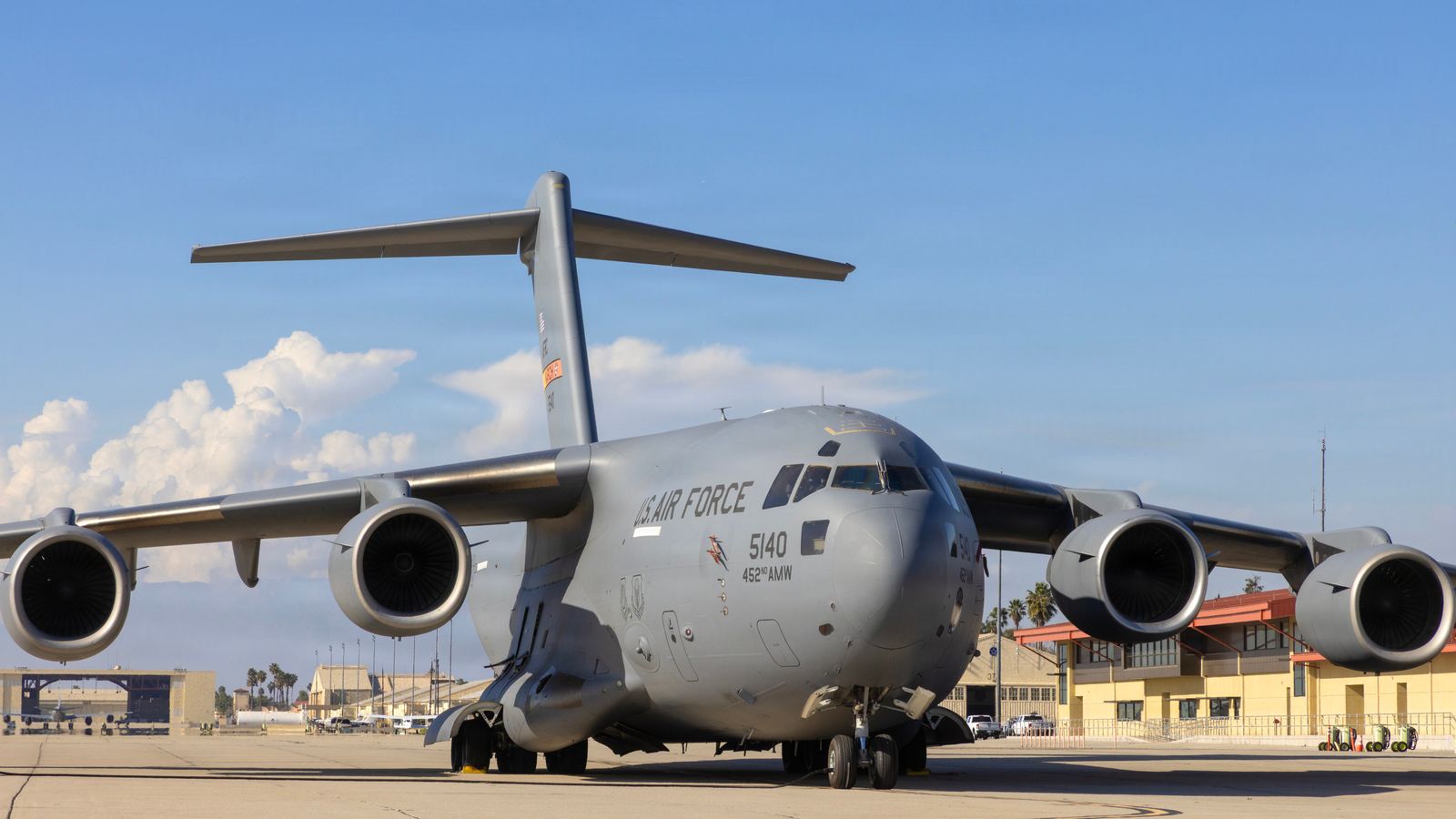
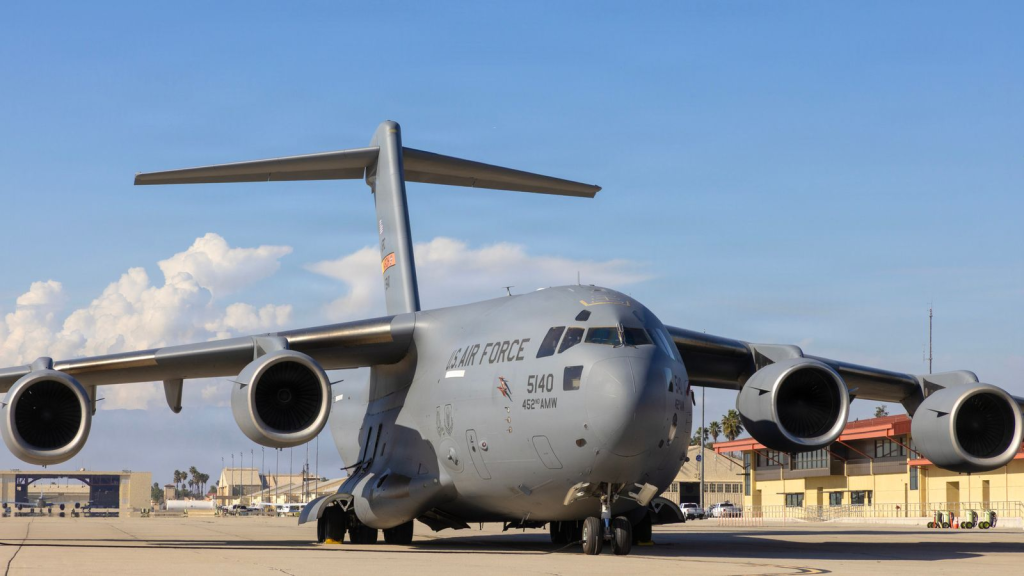
Over the past 10 days, U.S. military transport aircraft—including C-5 Galaxy and C-17 Globemaster planes—have conducted multiple flights into regional bases. These missions are believed to have delivered air defense systems intended to protect U.S. facilities and personnel in the event of retaliatory action.
Israel has also reportedly repositioned elements of its Iron Dome missile defense system from its southern frontier toward its eastern borders, a move analysts interpret as precautionary amid heightened tensions.
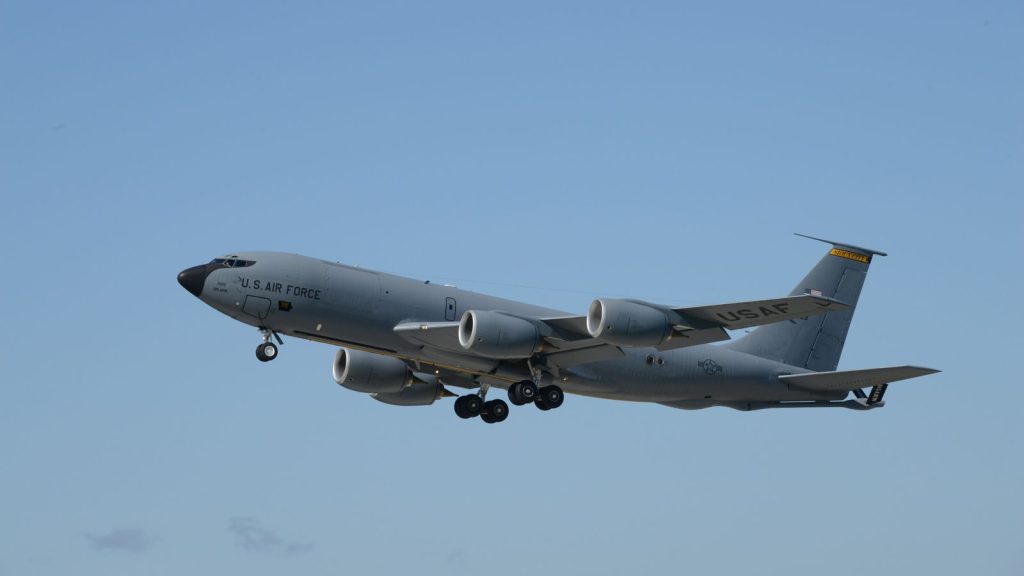
A significant deployment of aerial refuelling aircraft has accompanied the buildup. KC-135 Stratotankers have repositioned from several bases, including RAF Mildenhall, as well as facilities in Florida and Iowa. These aircraft have arrived at bases in Greece and Bulgaria, among other locations.
Additional U.S. aircraft are operating from installations including RAF Akrotiri, Aviano Air Base in Italy, the Azores, Spain, and the Diego Garcia base in the Indian Ocean. Collectively, more than 100 combat aircraft—among them F-15s, F/A-18s, F-22s, F-35s, and B-2 bombers—are now positioned within reach of a potential operational theater.
Military analysts note that the scale of tanker deployments suggests preparations for sustained air operations rather than a single, limited strike. Aerial refuelling capacity enables aircraft to operate from bases located farther from the immediate conflict zone, potentially reducing political sensitivities associated with hosting combat missions in the Middle East.
At least six E-3 Sentry airborne early warning and control aircraft have also been deployed. These aircraft function as aerial command centers, capable of coordinating large-scale air operations and monitoring extensive airspace. Their presence indicates preparation for complex, multi-domain military activity.
Recent tracking data placed the USS Abraham Lincoln in the Arabian Sea approximately 240 kilometers off Oman’s coast in mid-January. The USS Gerald R. Ford was reported to be hundreds of kilometers from the Strait of Gibraltar on 18 January, en route toward the Mediterranean.
Satellite imagery has identified F-15 and A-10 aircraft at Muwaffaq Salti Air Base in Jordan, alongside C-130 transport aircraft supporting logistics operations.
Iranian naval activity has also been observed. Satellite imagery from 16 January showed several vessels near Bandar Abbas, including the Iranian drone carrier IRIS Shahid Bagheri, operating in the Strait of Hormuz. The vessel is capable of deploying dozens of drones as well as helicopters.
While the scale and composition of U.S. deployments suggest enhanced readiness, the specific objectives of the buildup remain unclear. Officials have not publicly detailed any imminent operational plans. Analysts caution that such force posturing can serve multiple purposes, including deterrence, reassurance of regional allies, and contingency preparation.
For now, the concentration of naval, air, and command assets represents one of the more significant U.S. military configurations in the region in recent years, underscoring the fluid and uncertain security environment surrounding Iran.