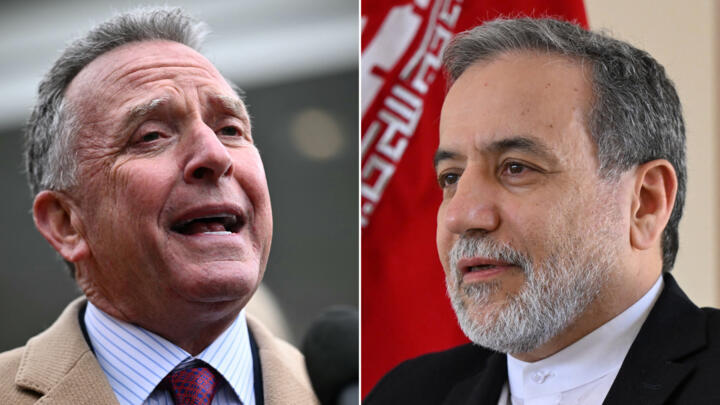
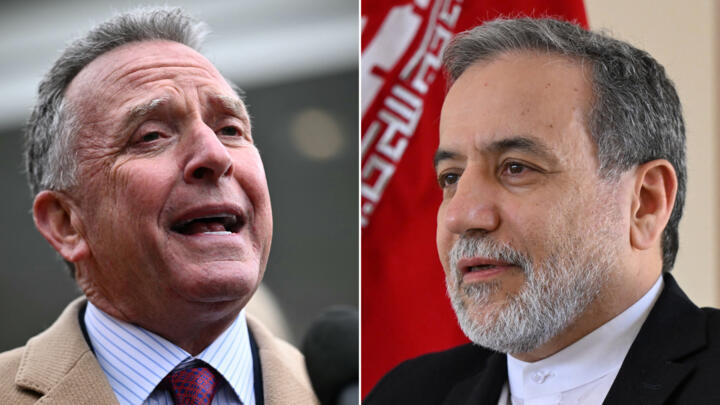
The United States is dispatching its Middle East envoy, Steve Witkoff, to talks in Muscat, where he is expected to meet Iranian Foreign Minister Abbas Araqchi, according to officials. The meeting comes as Washington continues to expand its naval presence near Iran, a deployment former president Donald Trump has previously described as an “armada.”
The diplomatic engagement follows heightened tensions between the two countries, including repeated warnings from Trump that military force remains an option. These threats intensified after Iranian authorities carried out a violent crackdown on nationwide protests that erupted last month. While the tone of US rhetoric has moderated in recent weeks, the White House has emphasized that diplomatic efforts are not the administration’s sole course of action.
Speaking to reporters on Thursday, White House Press Secretary Karoline Leavitt said the president retains a range of options beyond negotiations. She noted that the talks are taking place alongside the continued readiness of what she described as the most powerful military in the world.
Iran, for its part, has warned it would retaliate against any military strikes. Those warnings prompted the United States to withdraw some personnel from its major military base in Qatar as a precautionary measure.
The talks are set against the backdrop of a longstanding dispute between Iran and Western countries over Tehran’s nuclear programme. Iranian authorities maintain that the programme is intended exclusively for civilian use, while the United States and Israel have repeatedly accused Iran of seeking to develop nuclear weapons.
A spokesperson for Iran’s foreign ministry said Tehran would participate in the discussions “with responsibility, realism, and seriousness,” expressing openness to reaching a “mutually acceptable and dignified” agreement on the nuclear issue.
However, US Secretary of State Marco Rubio has indicated that Washington believes the negotiations should address a broader set of concerns, including Iran’s ballistic missile programme, its support for armed groups across the Middle East, and its domestic human rights record. Iranian officials have rejected this approach, stating that Iran’s defence capabilities, including its missile systems and their range, are not open for negotiation.
Some analysts remain skeptical about the prospects for progress. Edmund Fitton-Brown of the US-based Foundation for Defense of Democracies said it would be difficult to envision a significant breakthrough, adding that the likelihood of military confrontation remains high.