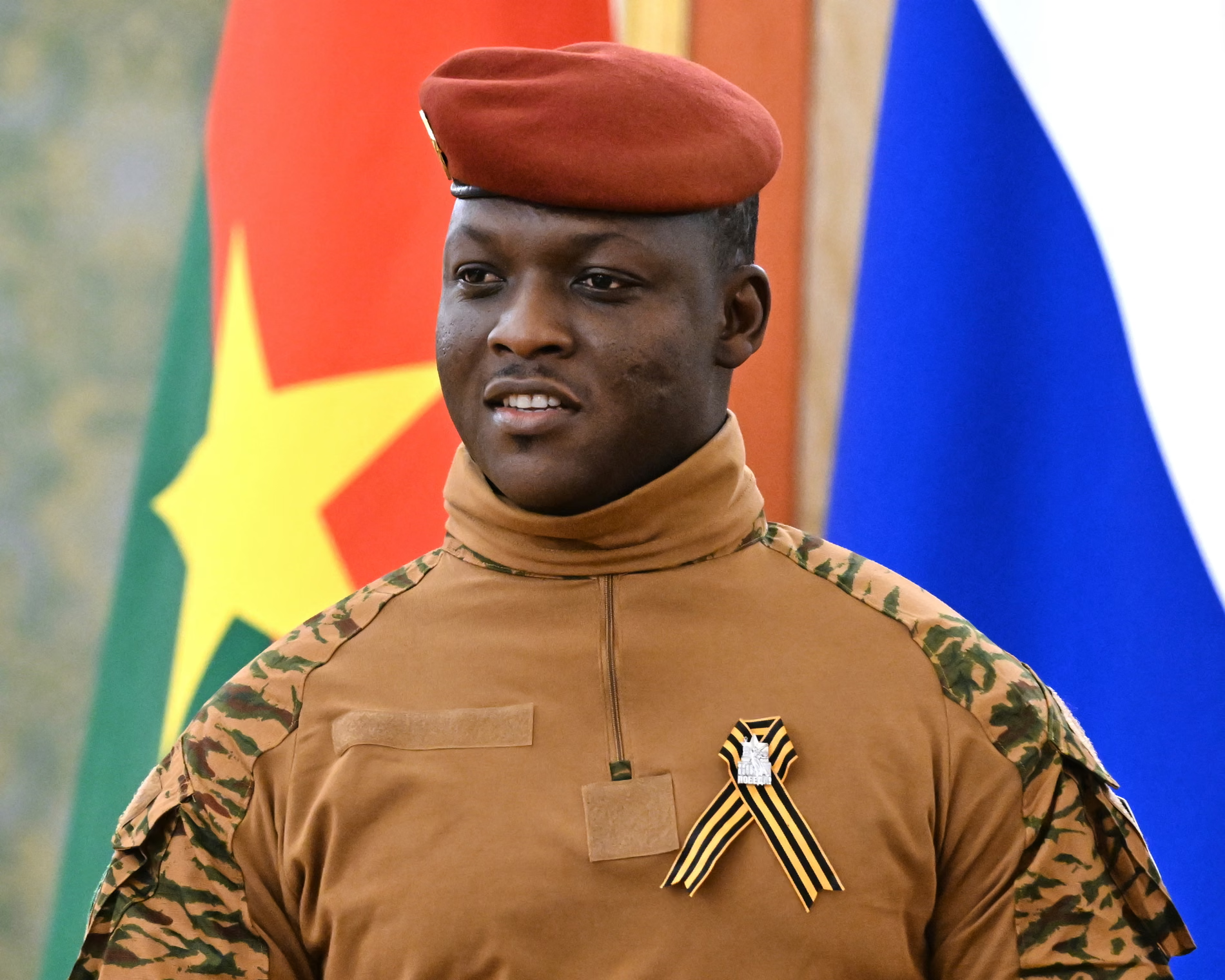
Burkina Faso’s transitional president, Captain Ibrahim Traoré, has publicly rejected the prospect of democratic governance, stating that elections are not currently a priority for the country. In remarks broadcast on state television, he urged citizens to move away from expectations of a democratic transition, arguing that such a system is unsuitable under present conditions.
Traoré, who assumed power following a military coup in September 2022 that ousted a previous junta, has since consolidated control over the political landscape. His administration has curtailed opposition activity, including a ban on political parties introduced earlier this year. Although a return to civilian rule had initially been scheduled for 2024, authorities later extended the transitional period, allowing Traoré to remain in power until 2029.
In his interview with the national broadcaster RTB, the 37-year-old leader criticized democracy in stark terms, associating it with instability and violence. He questioned its relevance to Burkina Faso’s situation, framing it as incompatible with the country’s immediate challenges.
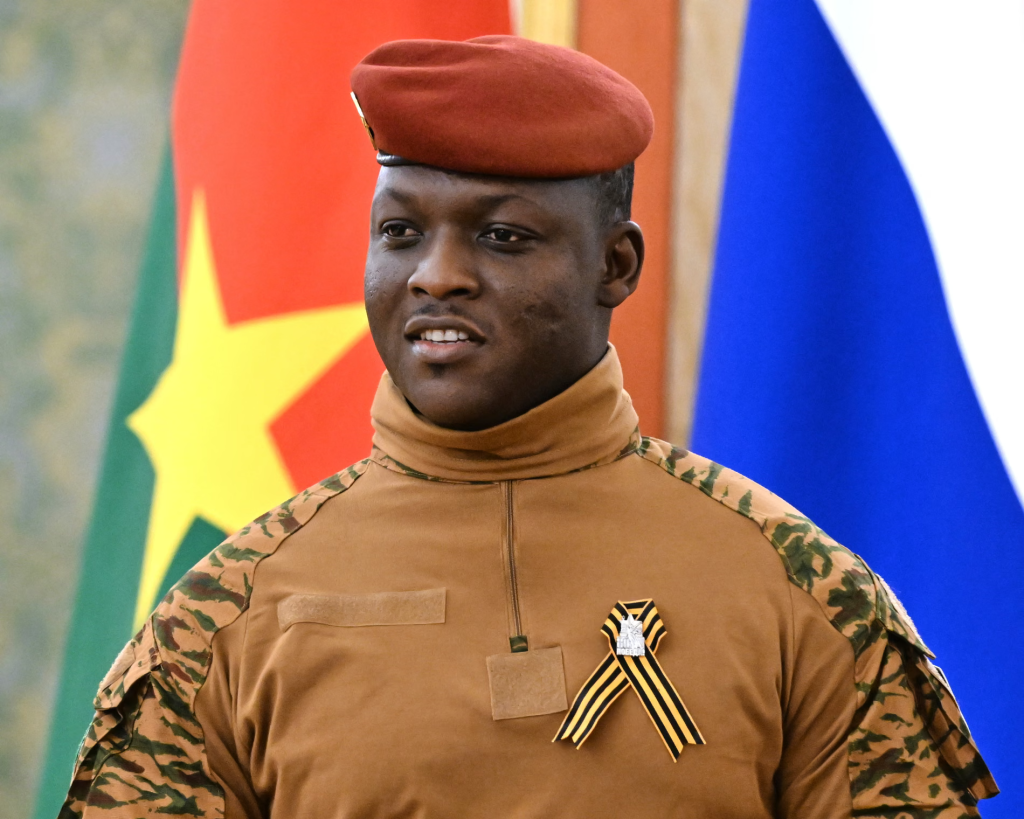
Traoré has attracted support in parts of Africa through rhetoric that criticizes Western influence, particularly France, and draws on the legacy of former president Thomas Sankara, a revolutionary figure who governed the country during the 1980s.
Despite this political positioning, Burkina Faso continues to face a prolonged insurgency linked to Islamist militant groups. The conflict, ongoing since 2014, has resulted in significant loss of life and large-scale displacement. The most recent available data, released several years ago, indicated that more than two million people had been forced from their homes.
Human rights organizations have also raised concerns about conduct by all parties involved in the conflict. A recent report by Human Rights Watch documented widespread abuses, alleging that both armed groups and state-affiliated forces have committed serious violations, including killings of civilians. The report further accused pro-government forces of targeting members of the Fulani community, claims the authorities have denied.
In a separate earlier allegation, the organization reported that hundreds of civilians were killed in a single incident in 2024. The government rejected the accusation and subsequently barred the group, along with several international media outlets that had covered the claims, from operating in the country.