Ghana’s faltering economy and persistently high unemployment are driving thousands of people into the risky world of illegal gold mining, or galamsey, in the hope of striking quick wealth. Yet this scramble for survival is inflicting severe environmental damage, particularly on the country’s waterways, according to government officials and conservation groups.
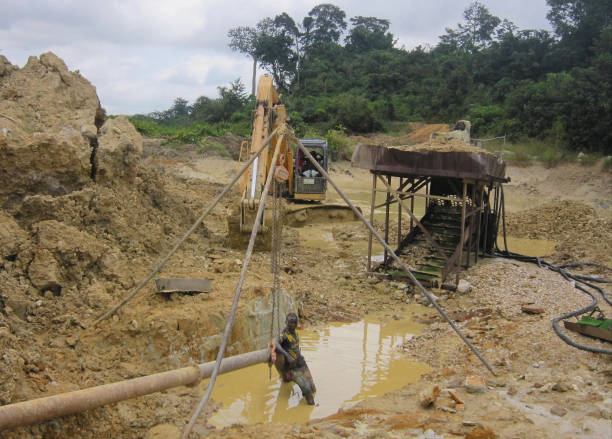
Once a lifeline for nearby communities, the Ankobra River has deteriorated into a cloudy, grey channel. Local fisherman Benjamin Yankey says the contamination has devastated both his livelihood and the river’s wildlife. The widespread use of toxic chemicals such as mercury and cyanide in unregulated mining has turned large stretches of the river system hazardous.
In response, one community in the Western North Region has taken an unusually direct approach. Jema, a town of roughly 15,000 people, outlawed all mining on its lands in 2015 under traditional authority laws that allow chiefs to set and enforce local rules. Residents have since formed the Jema Anti-Galamsey Advocacy (JAGA) task force—a 14-member patrol that scouts the surrounding forest reserve and waterways for signs of illicit activity. Supported in part by Catholic priest Joseph Kwame Blay, the group has turned “Jema, no galamsey” into a rallying cry and a point of communal pride.
When task-force members encounter suspected miners, they detain them and hand them over to the police under citizen-arrest provisions. According to JAGA president Patrick Fome, the work is fraught with hostility: people reliant on galamsey perceive the patrol as sabotaging their only economic lifeline. Despite such tensions, the group points to cleaner streams within their 450-square-kilometre jurisdiction as proof that community enforcement can work.
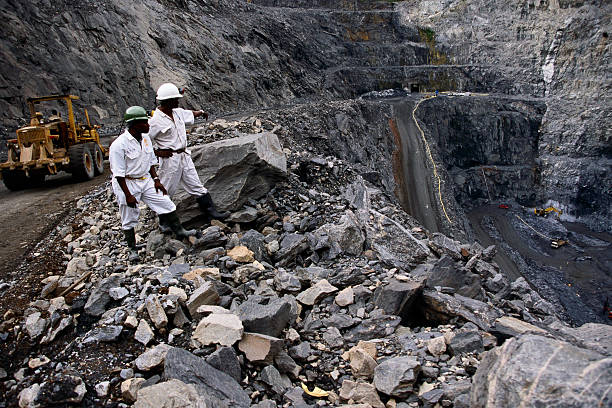
However, the initiative exposes a deeper national dilemma. Many Ghanaians see illegal mining not as a crime but as an economic necessity in a period of shrinking agricultural income and limited formal employment. Youth unemployment is nearing 39%, pushing young people toward gold panning as one of the few income sources available. As of early 2024, illegal miners operated in 44 of Ghana’s 288 forest reserves, according to the Ministry of Lands and Natural Resources. Meanwhile, a Swissaid report estimates more than $11 billion in gold has been smuggled out of the country in just five years—an indication of both the scale of the problem and the state’s difficulty in controlling it.
Local leaders in Jema admit that without broader economic investment, community resolve may weaken as financial pressures mount. The country at large faces a similar predicament: even widespread public protests last year demanding action on illegal mining have not resolved the underlying economic drivers.
President John Mahama, who assumed office in January, has launched a new national task force to confront galamsey but has dismissed calls for a state of emergency, arguing that the government must first exhaust other means. Critics say this cautious approach risks being outpaced by the rapid environmental decline and the entrenched economic desperation feeding the practice.