
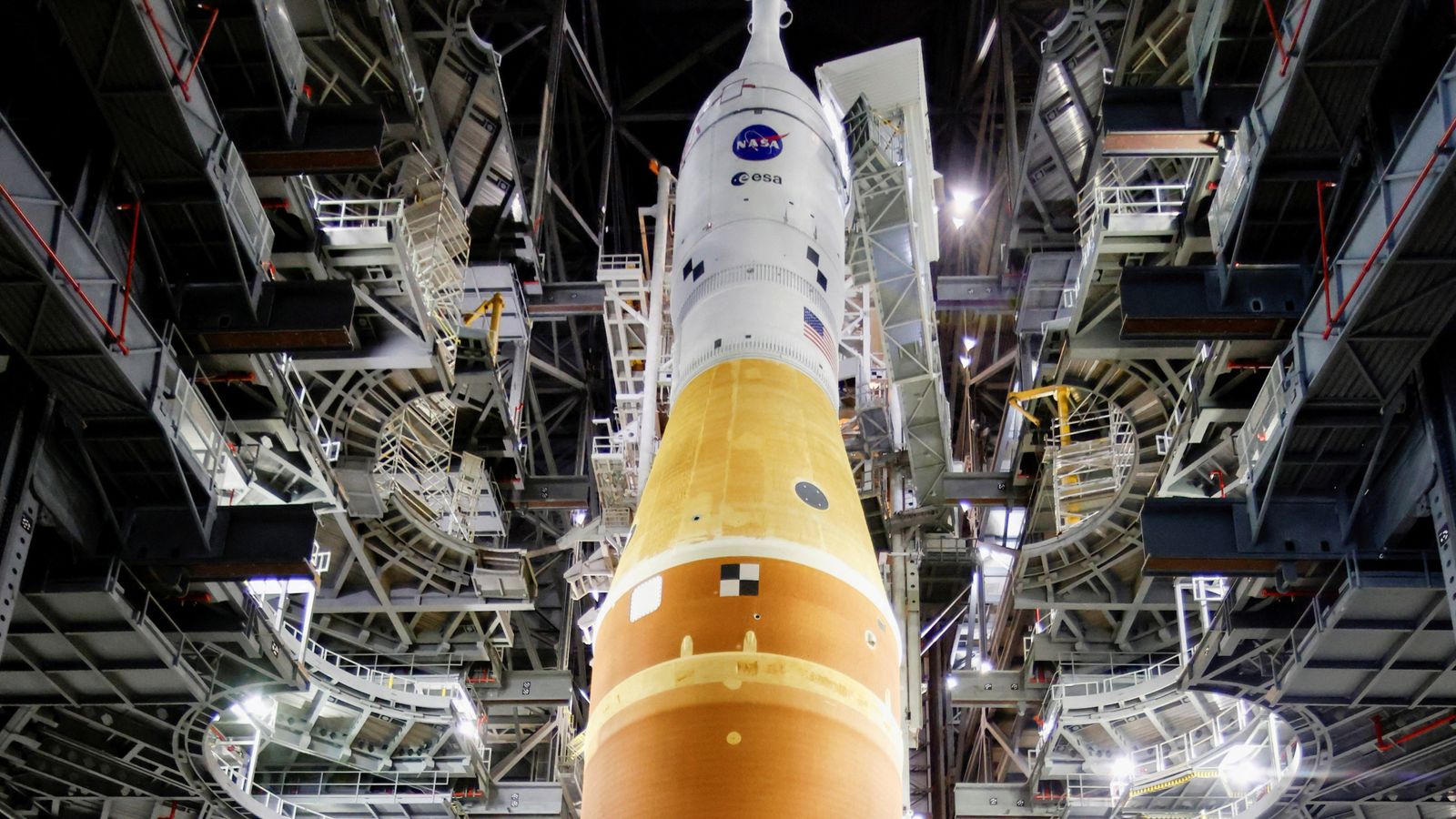
NASA is preparing to launch Artemis II, a mission that would mark humanity’s first crewed journey around the Moon since the Apollo era more than 50 years ago. The mission is currently targeted for launch as early as 6 February, although the exact timing will depend on technical readiness and other launch conditions.
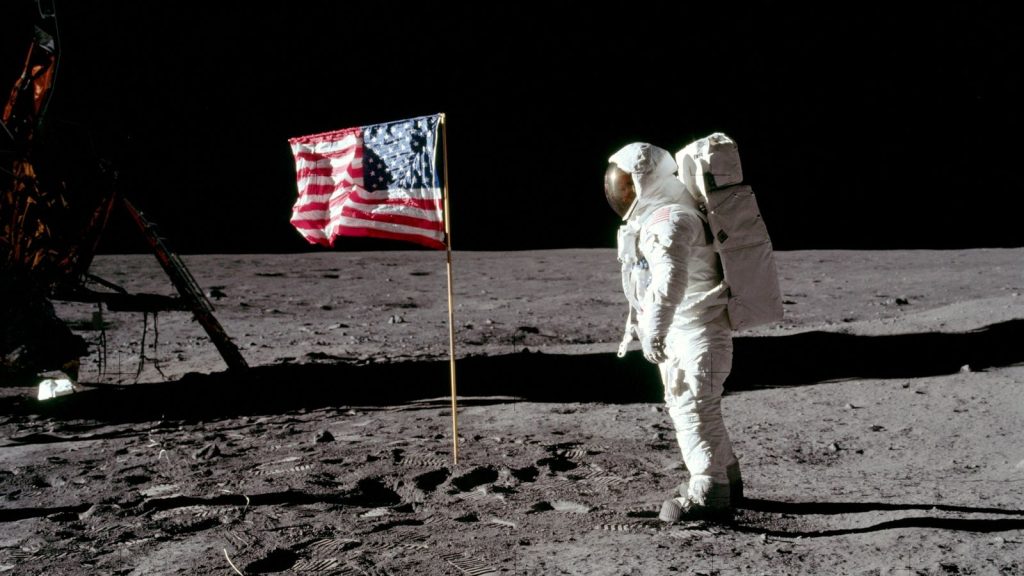
Artemis II is the second mission under NASA’s Artemis programme, which aims to return humans to the Moon for the first time since Apollo 17 in December 1972. Beyond lunar landings, the programme forms part of a broader strategy to establish a sustained human presence in deep space, including the planned Lunar Gateway space station that would support future missions to Mars.
The first Artemis mission, Artemis I, launched in November 2022 and successfully sent an uncrewed Orion capsule into lunar orbit. That flight was designed to test NASA’s Space Launch System (SLS) rocket and the Orion spacecraft under deep-space conditions.
The Artemis programme reflects a renewed global focus on lunar exploration after decades of reduced funding following the Apollo missions. It is also widely seen as part of the United States’ effort to maintain leadership in space exploration amid growing ambitions from other nations, including China.
NASA recently completed key preparations for Artemis II by moving the SLS rocket to the launch pad at the Kennedy Space Center in Florida. The rollout, completed on 17 January, took more than 11 hours to cover approximately four miles. At nearly 98 metres tall, the rocket is taller than London’s Big Ben and consists of a central core stage flanked by two solid rocket boosters.
The core stage contains large quantities of liquid hydrogen and liquid oxygen, which fuel the rocket’s main engines. During launch, these propellants generate powerful thrust, while the two boosters provide roughly three-quarters of the rocket’s total power during the first two minutes of flight. After reaching orbit, the boosters are jettisoned, allowing the upper stage and the Orion crew capsule to continue toward the Moon.
NASA has described the SLS as the only rocket currently capable of sending astronauts, their spacecraft, and supporting cargo directly to the Moon in a single launch. However, the programme has drawn scrutiny for its high cost. According to figures from the Planetary Society, development of the SLS has cost approximately $23.8 billion since 2011, while the Orion capsule has cost about $20.4 billion over the past decade. Including ground systems and infrastructure, total spending reached nearly $50 billion between 2006 and the first test flight in 2022. Each launch is estimated to cost around $4 billion.
The Artemis II mission is expected to last about 10 days. During that time, the four-person crew will test life-support, navigation, and communications systems to ensure they function reliably in deep space. Many initial tests will take place while Orion remains in Earth orbit, allowing for a quicker return if problems arise.
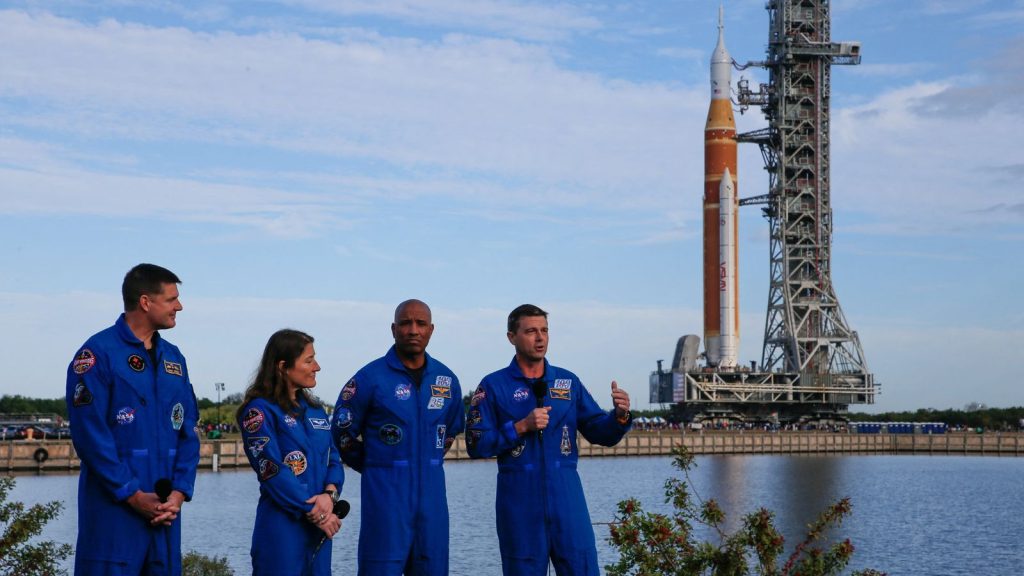
The spacecraft will then move into a higher Earth orbit, where astronauts will briefly take manual control of Orion before mission operations are handed back to NASA’s Johnson Space Center in Houston. The crew will subsequently spend roughly four days orbiting the Moon, travelling about 4,600 miles beyond its far side before returning to Earth for a splashdown in the Pacific Ocean.
The outcome of Artemis II is expected to play a decisive role in determining NASA’s readiness for Artemis III, the mission intended to return astronauts to the lunar surface. Artemis III is currently planned for launch no earlier than mid-2027.