A United Nations expert has warned that persistent attacks on religious leaders and places of worship, coupled with weak prevention measures and a lack of accountability, are fuelling perceptions among victims in Nigeria that they are being systematically persecuted.
Nazila Ghanea, the UN special rapporteur on freedom of religion or belief, said repeated violence and impunity for armed groups were eroding religious freedom and intensifying fears among affected communities. She noted that in the absence of justice, some victims had come to describe the pattern of attacks as persecution or even genocide.
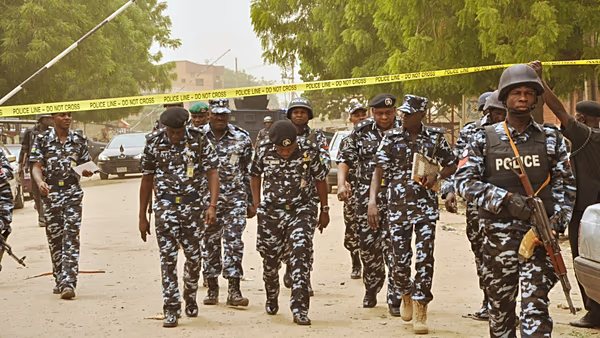
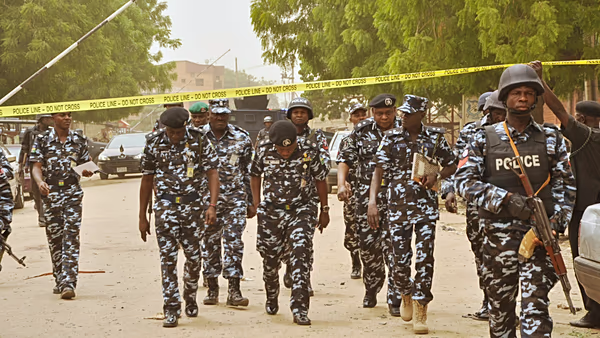
Her remarks follow renewed scrutiny of insecurity in Nigeria, where overlapping conflicts continue to expose both Christians and Muslims to deadly violence. The country remains gripped by a jihadist insurgency in the north, armed banditry, and recurring clashes between farmers and herders in the central belt, where religious and ethnic fault lines often intersect.
After a two-week fact-finding visit to Abuja, Kano and Plateau State, Ghanea said security concerns dominated nearly every conversation her team held with more than 200 interlocutors. According to her, broader issues of religious tolerance and freedom were consistently overshadowed by the scale of insecurity and the failure of institutions to respond effectively.
While Christian communities have frequently been targeted by extremist groups, analysts have long cautioned against reducing Nigeria’s violence to a single religious narrative. Muslims have also been victims of attacks, and many of the farmer-herder clashes are rooted as much in land disputes, resource competition and local grievances as in religious identity.
Still, Ghanea said the repeated absence of visible justice has deepened the sense of abandonment among victims. When attacks are followed by inaction, she argued, it becomes understandable that those affected interpret the violence as a campaign of persecution.
Addressing claims that genocide is taking place in Nigeria, Ghanea said legal experts she consulted did not dismiss the possibility outright in every context. However, she added that her visit did not produce evidence of a deliberate state policy aimed at destroying a religious community.
Her assessment underscores a more complex reality in Nigeria: one in which religious identity can shape how violence is experienced, but where state weakness, impunity and entrenched insecurity remain central drivers of the crisis.