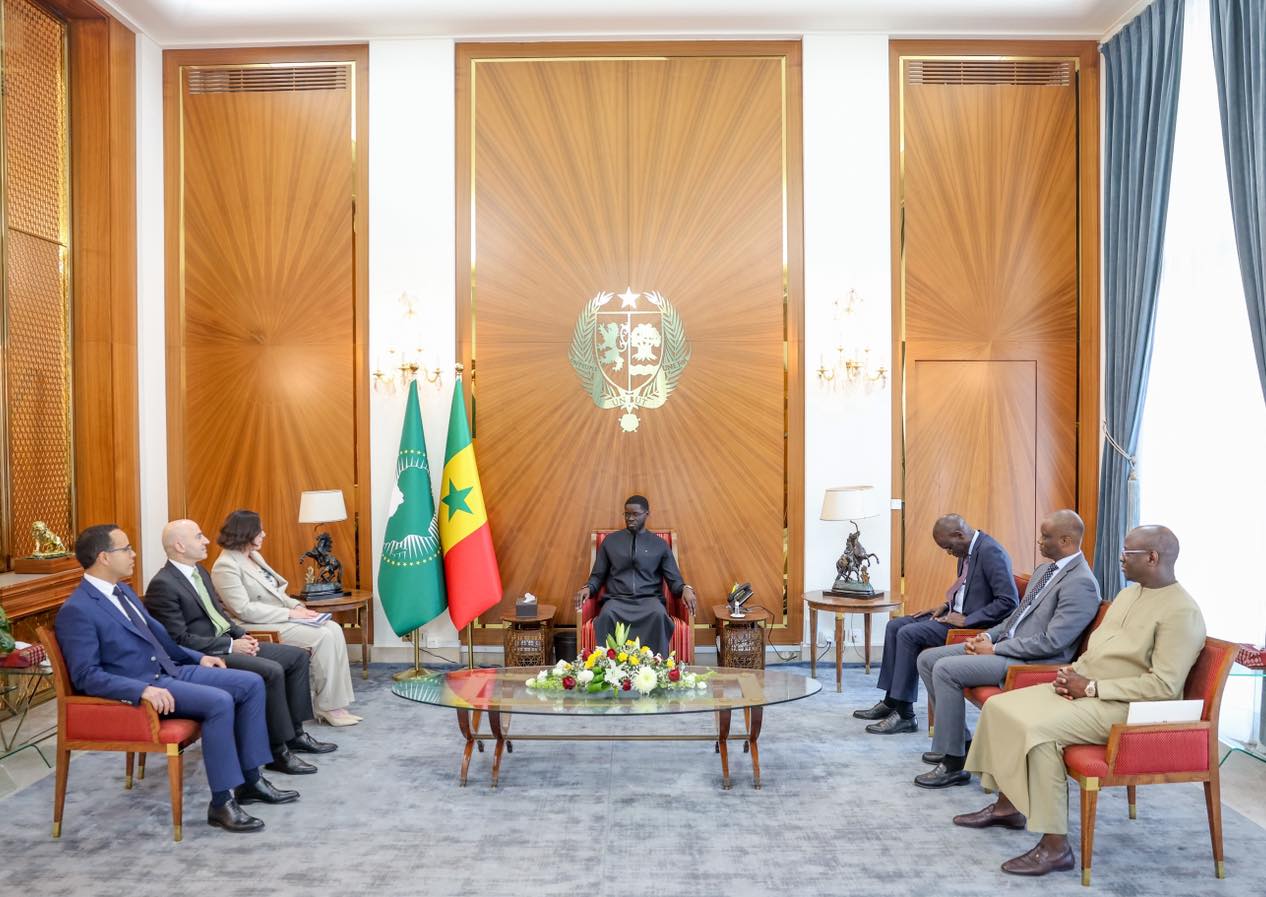
Senegal’s new leadership entered office in 2024 buoyed by strong public expectations and a pledge to reshape the country’s economic and political landscape. President Bassirou Diomaye Faye and Prime Minister Ousmane Sonko placed economic independence, institutional transformation, and greater transparency at the center of their reform programme, promising a decisive break from past governance practices.
However, translating those ambitions into tangible results has proven challenging. The administration now finds itself confronting mounting fiscal pressures, a heavy debt load, and growing concerns over economic stability. These challenges have forced the government to shift its immediate focus toward financial recovery and debt management.
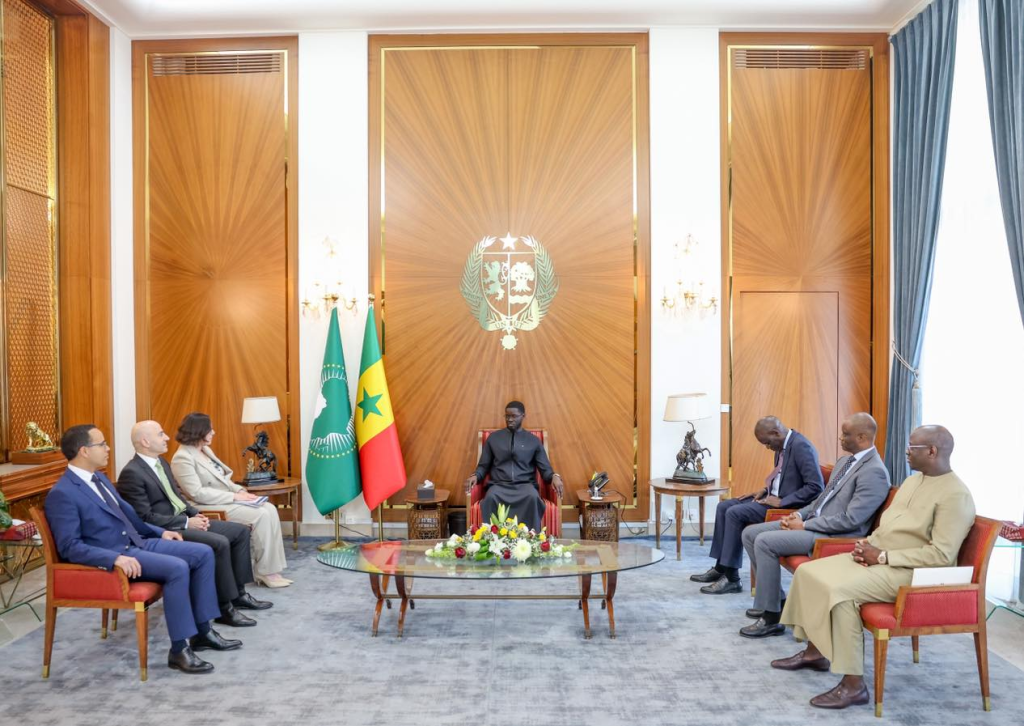
A key priority has become re-engagement with the International Monetary Fund as authorities seek to restore investor confidence and secure support for broader economic reforms. Senegal has indicated that it hopes to finalize an agreement with the IMF before the end of June, a move widely viewed as critical to easing financial pressures and avoiding a deeper economic downturn.
In this edition, economist Abdoulaye Ndiaye—recently recognized as the Africa CEO Forum’s Best Young African Economist in Kigali—examines the structural weaknesses behind the current crisis. He highlights three major reforms that he believes are essential for restoring fiscal stability, strengthening economic resilience, and preventing the situation from deteriorating further.
The programme also explores developments at the Port of Lomé, a major logistics and trade hub in West Africa, assessing its growing strategic significance for regional commerce. In addition, attention turns to a new digital tablet developed by Seamless Service Terminal, an innovation aimed at expanding access to essential public and private services in underserved communities and helping bridge persistent gaps in service delivery.